
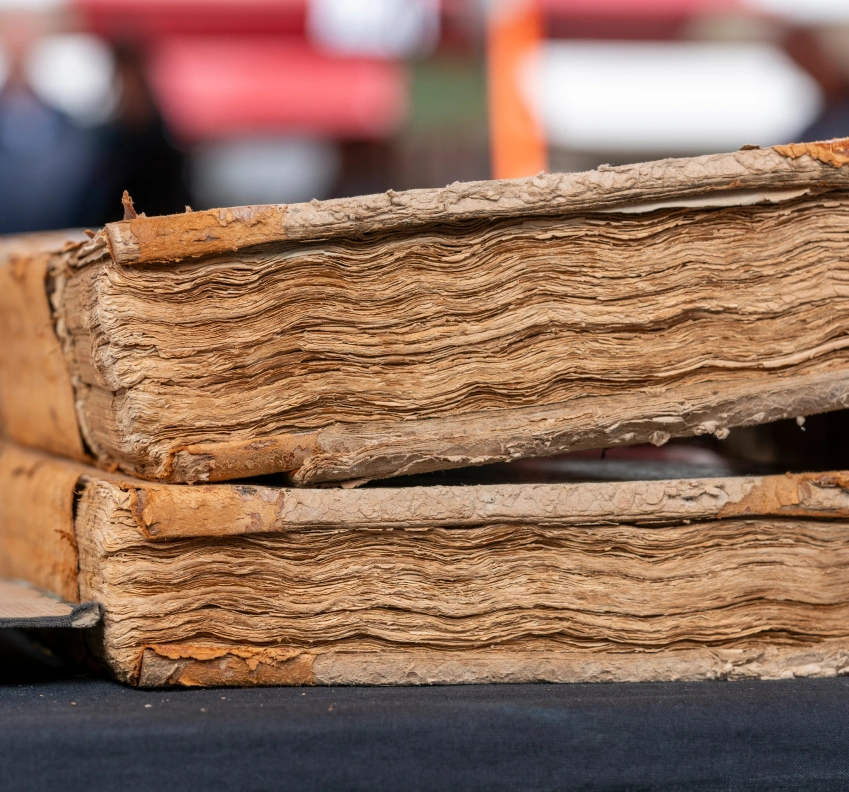
Magazine Scanning Near You
Over 100 Five-star Reviews • 20+ Years of Experience • Serving the San Francisco Bay Area, California
Preserve your magazine collection with professional magazine scanning and digitization services from eRecordsUSA.
We help libraries, publishers, corporations, universities, businesses, historical organizations, and private collectors convert printed magazines into high-resolution digital files. Our in-house Fremont scanning facility handles projects involving bound journals, vintage magazines, trade publications, and large back-issue collections.
Services include page imaging, non-destructive scanning for suitable materials, Optical Character Recognition (OCR), customized indexing, and delivery in formats such as searchable PDF, PDF/A, TIFF, and JPEG.
Whether you have a few valuable volumes or thousands of magazine issues, we evaluate the materials and your intended use before recommending a scanning approach.










Print Fades — Digital Lasts Forever
Magazine scanning converts printed magazines into digital files, making them easier to store, organize, search, access & share. For organizations with extensive physical archives, the benefits extend beyond making electronic copies.


eRecordsUSA — The Trusted Choice for Digitizing Magazine Collections
Preserve Information from Aging Publications
Digitizing rare, aging, and discontinued magazines preserves their informational and visual content, reduces handling of fragile originals, and supports long-term access to historical publications.
Improve Access to Historical Content
Digital magazine archives enable authorized users to access and share historical publications remotely across offices, research institutions, and locations without relying on physical collections.
Reduce Manual Archive Retrieval
Organized digital collections simplify magazine retrieval, reduce time spent searching physical archives, and help organizations optimize storage while retaining originals according to preservation and retention requirements.
Strengthen Disaster-Recovery Planning
Digitized magazines support disaster recovery by protecting information against physical loss from fire, flooding, or accidental disposal through managed digital storage, independent backups, and integrity checks.
7-Step Magazine Scanning Workflow
How Does Our Magazine Digitization Process Work?
Our seven-step magazine digitization process covers collection assessment, secure intake, preparation, high-resolution scanning, image processing, quality control, and digital delivery. Every project follows a structured workflow tailored to the collection’s volume, physical condition, binding type, and required digital outputs.

1. Project Consultation & Scope Assessment

2. Collection Intake & Documentation

3. Preparation & Capture Planning

4. High-Resolution Image Capture

5. Image Processing & Digital File Assembly
7. Digital Delivery & Project Completion
6. Quality Control & Index Verification
From Small to Medium-Sized Businesses, We Serve All
Who Can Benefit from Our Magazine Digitization Services?
Magazine scanning is never one-size-fits-all. At eRecordsUSA, we tailor our digitization solutions to the unique preservation, compliance, and archival needs of diverse clients. Whether restoring rare and fragile publications or converting entire collections into fully searchable digital archives, we deliver each project with precision, discretion, and institutional-grade quality.

Audience Segments We Serve
- Public Libraries & Community Archives - We’ve assisted institutions like the Castro Valley Public Library in digitizing community publications such as The Forum. Our services facilitate long-term access, reduce physical storage needs, and adhere to digital preservation standards.
- Trade Publishers & Industry Magazines - From PC World and Macworld in San Francisco, CA, to Brewing Techniques and Quirk's Marketing Research Review in Eagan, MN, we’ve digitized leading industry publications for archival, licensing, and republishing purposes. Our high-resolution scanning ensures brand integrity and visual accuracy.
- Academic Institutions & Cultural Organizations - Educational and cultural groups such as the Sequoia Audubon Society in San Mateo County, World Arts West and String Letter Media in Richmond, CA, have benefited from our OCR-searchable archives, supporting research, grant compliance, and community programming.
- Heritage Foundations & Historical Societies - We’ve collaborated with organizations like CCC Legacy in Edinburg, VA, Kaiser Heritage Resources in Oakland, CA, and Sea History Magazine of the National Maritime Historical Society in Peekskill to digitize legacy newsletters, preserving generational knowledge and ensuring digital continuity for historical publications.
- Private Collectors & Niche Publications - Handling diverse materials with discretion and tailored output structuring, we've worked with publications such as Tattoo Time from San Francisco, CA, Mustang Monthly from El Segundo, CA, and Penthouse from Chatsworth, CA, ensuring compliance and quality in digitizing specialized content.
- Technical Journals, Nonprofits & Specialized Genres - Organizations including Skeet Shooting Magazines associated with the National Skeet Shooting Association in San Antonio, TX, Sierra Designs in Emeryville, CA, EDN Network in Boston, MA, and Embedded Systems Journal in San Francisco, CA, trust us with bulk magazine digitization for outreach, licensing, and legacy preservation.
Almost All Types of Magazines
What Types of Magazines & Journals Do We Digitize?
From archival preservation to searchable digital conversion, we scan a wide range of magazines and journals to match your content type, format, and access needs. Whether you’re digitizing a historical collection or organizing an internal archive, our services deliver precision and scalability for every project.





Trusted by Fortune 500 Companies and Government Authorities
Why Choose eRecordsUSA for Magazine Digitization?
eRecordsUSA provides professional magazine digitization services backed by over 20 years of scanning experience and in-house operations in Fremont, California. We work with libraries, publishers, businesses, historical organizations, and private collectors to develop scanning solutions that reflect each collection’s physical characteristics, preservation priorities, and intended use.
Purpose-Built for Magazine Collections
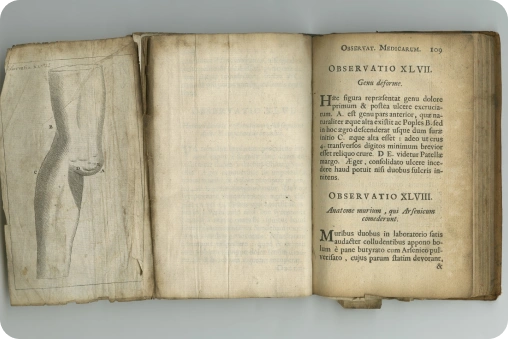
Magazine collections require more than a standard document-scanning workflow. Bound volumes, irregular issue sequences, aging materials, and special inserts demand careful project planning to maintain the integrity and organization of the original publications.
- Collection-Specific Assessment: We evaluate publication condition, binding structures, page dimensions, and special materials to establish appropriate handling and production requirements.
- Publication Sequence Management: We account for issue order, continuous pagination, supplements, and inserts to maintain the relationship between individual publications and their original collections.
- Preservation-Focused Planning: We align preparation and handling decisions with the collection’s historical value, physical condition, and the customer’s requirements for protecting original materials.
Full-Service Project Ownership
Our Fremont facility manages magazine digitization projects from initial consultation through final delivery, giving customers a consistent point of contact and coordinated oversight throughout production.
- Dedicated Project Coordination: A project contact helps manage agreed specifications, production schedules, customer communication, and project milestones.
- Documented Collection Accountability: Intake records, handling instructions, and applicable tracking procedures help maintain oversight of physical materials throughout processing.
- Defined Quality Expectations: Project requirements establish the criteria for reviewing deliverables, resolving identified issues, and confirming completion before final handoff.
Scalable Systems, Consistent Project Execution
Whether a collection contains individual magazine volumes or thousands of issues, successful digitization depends on consistent production planning, material organization, and coordinated processing across the entire project.
- Volume-Based Project Planning: We use estimated publication quantities, page counts, material conditions, and project requirements to assess production scope and scheduling.
- Organized Batch Management: Large collections can be structured into manageable groups to support progress tracking, consistent processing, and orderly project completion.
- Coordinated Final Handoff: Deliverables are prepared according to agreed project instructions so institutions can incorporate completed collections into their existing archive-management workflows.


Strategic Value for Your Organization
Magazine digitization supports different organizational objectives beyond converting printed pages into electronic documents. We help customers define how their completed digital collections will contribute to research, publishing, historical preservation, and long-term information management.
- Support Institutional Research: Libraries, universities, and historical organizations can improve access to legacy publications while reducing unnecessary handling of valuable originals.
- Enable Authorized Content Reuse: Publishers and businesses can retrieve historical editorial material, advertisements, photographs, and industry information for research, licensing, or republication where appropriate permissions exist.
- Preserve Organizational Knowledge: Businesses, nonprofits, and professional associations can maintain access to historical publications, industry records, and institutional information for future reference.

People Also Ask ( FAQs)
Can you scan magazines with fold-out pages or inserts?
Yes, we can evaluate magazines with fold-outs, inserts, and unusual page dimensions for scanning. These materials may require separate positioning or additional image capture. Sharing photographs and approximate dimensions helps determine the appropriate approach before the project begins.
Will my original magazines be returned after scanning?
Return arrangements for original magazines should be agreed upon during project planning. Customers can discuss packing, shipping, collection, and any special handling requirements before transferring materials. Valuable or irreplaceable publications should be identified in advance.
The handling and final disposition of originals should be documented in the project agreement. Any additional requests involving temporary storage, extended retention, or authorized disposal must be discussed separately and confirmed as available.
How long does a bulk magazine digitization project take?
Project turnaround depends on the number of pages, publication condition, production requirements, and requested deliverables. After reviewing the collection, eRecordsUSA can provide an estimated schedule that reflects the actual work involved.
Can digitized magazines be integrated into a document management system?
Yes, digital magazine files can be prepared with consistent filenames and agreed metadata to support import into document management systems. Compatibility depends on the receiving platform and its requirements. Customers should provide the relevant system specifications before production.
Can I digitize magazines that are still protected by copyright?
Scanning and subsequent use may involve different copyright considerations. Whether you need permission or an applicable legal exception depends on the material’s copyright status, purpose, and intended use. Public distribution and commercial republication should be assessed separately from creating a private reference copy.
For authoritative guidance, consult the U.S. Copyright Office.
Is scanning a magazine the same as creating an accessible digital publication?
Not necessarily. A scanned page image and an OCR text layer do not automatically provide full accessibility for assistive technologies. Accessible documents may require correctly tagged reading order, headings, alternative text, and other structural information. These requirements should be specified separately when accessibility is a project objective.
Can I request digital copies of selected issues rather than an entire collection?
Project scope can be discussed according to your requirements. If only specific years, volumes, or issues are needed, identify those priorities when submitting your collection information so the quotation can reflect the requested material.
A Professional Scanning Partner for Complex Publication Collections
Let’s Turn Your Collection Into a Digital Archive
20+ Years of Trusted Experience in Magazine & Journal Digitization
With over two decades of dedicated experience, eRecordsUSA stands as a nationally recognized leader in professional magazine and journal digitization services. From rare legacy publications and vintage issues to high-volume serials and academic archives, we specialize in transforming physical collections into fully searchable, digitally structured archives—ideal for long-term preservation, institutional access, and scholarly reuse. Our processes comply with leading national frameworks including FADGI, HIPAA, ISO 27001, and Controlled Unclassified Information (CUI) standards, ensuring every project meets exacting standards for accuracy, security, and long-term sustainability.
Every project is meticulously managed in-house at our ISO-certified Fremont, California facility, ensuring unwavering control over quality, security, and regulatory compliance at every stage of the digitization process.
What distinguishes eRecordsUSA is our exclusive focus on magazine and journal scanning. Unlike generalist providers, we specialize in non-destructive scanning of bound and unbound materials, delivering OCR-enabled PDFs, PDF/A, TIFFs, and JPEGs tailored to your archival needs.
Our services also include comprehensive metadata integration and archival structuring, all executed under the stringent frameworks of ISO 9001:2015 (quality management) and ISO/IEC 27001:2013 (information security), guaranteeing full chain-of-custody and enduring digital integrity.
Whether you are digitizing 500 issues or 50,000 pages, our scalable operations ensure efficient turnaround and responsive project management.
What Information Do We Need to Evaluate Your Magazine Scanning Project?
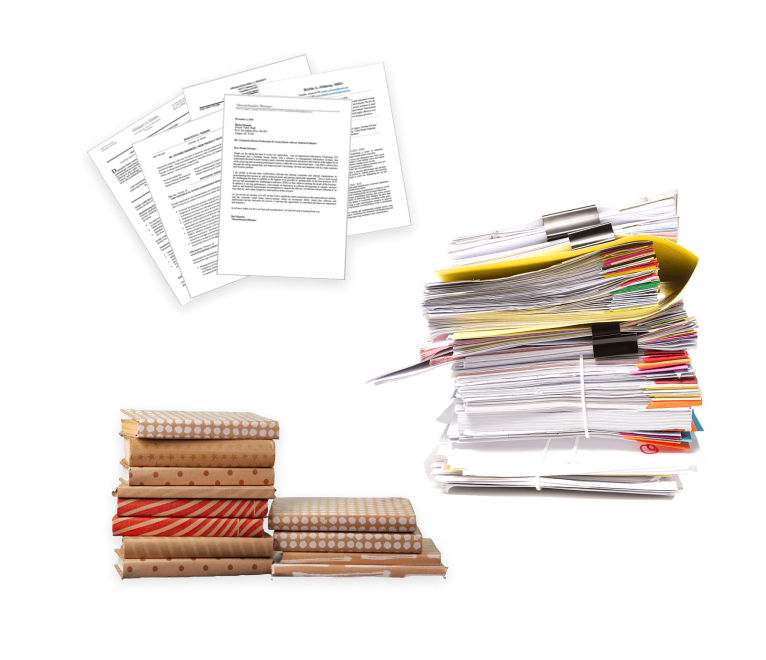
To help, we need more information about the collection, including its volume, condition, location, and purpose. Here are some of the questions that will help us understand your needs better;
- Where is this collection located? Can you ship it or drop it off at our Fremont facility?
- How is this collection stored currently: in boxes, on shelves, or in drawers? Can you take some photos so we can get a sense of the media?
- What are your scanning needs, for example, file formats, file naming, scan resolutions, and what is the purpose of the project?
- Photos of the current magazine collections, open and closed, showing binding types and condition, to help us understand your collection of magazine types, sizes, and condition.
- Understanding volume and condition is very crucial; please provide details about your current collection: number and type of boxes, etc.; number of magazines, estimated pages per magazine, total number of magazines; and total estimated volume.
With this information, we can start the conversation and provide suggestions and recommendations. If you would prefer to discuss this by phone or in an online meeting, we’d be happy to set one up.
Technical Information for Magazine Scanning: What We Need to Know
Magazine Scanning Methods, Resolution & Digital Archive Specifications
Magazine scanning requirements depend on the publication’s physical condition, original print quality, and intended digital use. Understanding scanning methods, image resolution, OCR, metadata, and file formats helps organizations choose suitable specifications before starting a digitization project.
Destructive vs. Non-Destructive Magazine Scanning
What is the difference between destructive and non-destructive magazine scanning? Non-destructive scanning captures magazine pages while retaining the original binding. Destructive scanning removes or separates the binding so you can process individual pages as loose sheets.
Non-destructive scanning is particularly useful for historical magazines, rare editions, collectible publications, and bound journal volumes.
The main technical challenge is capturing content near the gutter, where pages meet the spine, without forcing the publication open or damaging its structure.
|
Feature |
Non-Destructive Scanning |
Destructive Scanning |
|
Original binding |
Remains intact |
Removed or altered |
|
Common method |
Overhead or supported page scanning |
Loose-sheet scanning after disbinding |
|
Suitable materials |
Rare, bound, fragile, and collectible magazines |
Publications approved for disbinding |
|
Main advantage |
Preserves original publication structure |
Allows individual sheets to be processed |
|
Primary consideration |
Gutter visibility and safe page positioning |
Permanent alteration of the original |
The choice depends on the magazine’s binding, age, physical condition, page accessibility, and preservation requirements.
We do not disbind publications requiring destructive treatment without specific authorization.
For related scanning requirements, explore our bound book scanning services.
Which Scanning Equipment Is Best for Different Magazine Types?
The appropriate magazine scanner depends on binding structure, page accessibility, material condition, and the required capture quality.
Overhead planetary scanners and V-shaped book cradles are commonly used for bound or fragile publications because they support page imaging without removing the original spine.
Flatbed scanners may suit individual pages or materials that can safely lie flat, while high-speed sheet-fed scanners are designed for loose, prepared sheets.
For tightly bound volumes, technicians must consider gutter shadows, page curvature, and text located near the inner margins. A suitable capture method should balance page visibility with the need to protect the original publication.
|
Scanning equipment |
Common application |
Primary consideration |
|
Overhead planetary scanner |
Bound magazines, historical periodicals and fragile publications |
Captures pages from above without sheet feeding |
|
V-shaped book cradle |
Delicate or tightly bound volumes |
Supports the binding at a controlled opening angle |
|
Flatbed scanner |
Loose pages or materials that can safely lie flat |
Requires appropriate placement and physical support |
|
High-speed sheet-fed scanner |
Loose, prepared magazine pages |
Requires materials suitable for mechanical feeding |
The exact equipment and scanning method should be confirmed after assessing the publication’s physical condition and preservation requirements.
300 DPI vs. 600 DPI: What Resolution Is Best for Magazine Scanning?
300 DPI suits many magazine digitization projects, while 600 DPI captures more detail in small text, intricate illustrations, photographs, and fine printed elements.
DPI describes the sampling resolution used when scanning a printed page. Higher resolution captures more pixels per inch but also increases image data and storage requirements.
|
Consideration |
300 DPI |
600 DPI |
|
Typical application |
Standard magazine digitization |
Higher-detail page capture |
|
Printed text |
Suitable for many readable originals |
Useful for smaller or finer printing |
|
Photographs and illustrations |
General digital access |
Greater sampled image detail |
|
File storage |
Generally smaller files |
Generally larger files |
|
Common output purpose |
Reading and document access |
Detail-intensive and selected preservation projects |
Does higher DPI always improve magazine scanning quality?
No. Resolution cannot restore details that are missing from the original publication. Print quality, fading, physical damage, scanner performance, and image processing also affect the final result.
The Library of Congress digitization guidance provides additional information about selecting imaging specifications.
How Are Glossy Magazine Pages & Color Images Scanned?
Glossy magazine pages can reflect scanner lighting, causing glare, uneven brightness, or unwanted reflections in captured images. Professional magazine digitization therefore requires appropriate lighting, exposure, page positioning, and image-processing settings to preserve text, photographs, illustrations, and original publication layouts.
The scanning color mode also affects the final result. Full-color scanning is generally appropriate for magazines containing color photography, artwork, and advertisements. Grayscale may suit selected monochrome publications, while black-and-white capture can be useful for certain text-focused materials where preserving full tonal detail is unnecessary.
|
Color mode |
Best suited for |
Important consideration |
|
Full color |
Illustrated magazines, advertisements, photographs and historical editions |
Preserves color relationships and visual detail |
|
Grayscale |
Monochrome photographs and publications without essential color information |
Retains multiple levels of brightness |
|
Black and white |
Selected text-focused pages |
May lose photographic and tonal detail |
Image enhancement may improve color balance, page alignment, and visual consistency. However, scanning settings should be selected to retain meaningful original detail rather than artificially altering the publication’s appearance.
How Does OCR Make Scanned Magazines Searchable?
Optical Character Recognition (OCR) identifies printed characters within scanned page images and converts them into machine-readable text.
The recognized text can be added as a searchable layer to a PDF, allowing readers to locate words and phrases while viewing the original page layout.
For example, a researcher searching a historical publication for a company name can locate recognized occurrences without manually examining every page.
What affects OCR accuracy in magazines?
OCR results depend on several factors:
- Small or faded print can reduce text recognition accuracy.
- Multi-column layouts can complicate reading order.
- Decorative typography and unusual fonts may produce recognition errors.
- Page curvature and image distortion can affect captured characters.
- Damaged or low-contrast pages may require additional review.
OCR text recognition should not be confused with manually verified article transcription or full article-level database indexing.
For projects requiring additional text extraction, see our OCR and data capture services.
How Do OCR & Metadata Work Together in a Searchable Magazine Archive?
OCR and metadata perform different but complementary functions. OCR makes recognized text within magazine pages searchable, while metadata identifies the publication, volume, issue, date, and other collection details associated with each digital file.
For example, a researcher looking for a historical product advertisement could first locate the relevant magazine issue using publication metadata, then search its OCR-enabled PDF for the product name. This connects issue-level organization with page-level content retrieval.
Some document digitization workflows also use zonal OCR to extract text from selected page regions, or intelligent character recognition (ICR) for particular recognition tasks.
These capabilities are distinct from standard full-page OCR and should be specified separately if a project requires structured field extraction or specialized text recognition.
How Are Digitized Magazine Issues Indexed and Organized?
Magazine issues can be indexed by publication title, volume, issue number, publication date, and collection identifier. These fields connect individual digital files to their original publications and help maintain consistent issue sequences.
A structured archive can then group files by publication, year, volume, or issue, allowing libraries, publishers, and researchers to identify and retrieve specific magazine editions efficiently.
Example of a Magazine Metadata Record
|
Metadata Field |
Example |
|
Publication title |
Engineering Review |
|
Volume number |
12 |
|
Issue number |
3 |
|
Publication date |
March 1998 |
|
Collection |
Technical Publications Archive |
|
Digital filename |
Engineering_Review_1998_03_V12_I03.pdf |
Illustrative example.
Consistent metadata helps institutions distinguish individual issues, maintain publication sequences, and support retrieval through compatible digital repositories.
Magazine indexing may involve manual data entry, automated metadata extraction, or a combination of both, depending on the source material and project requirements.
Older magazines with inconsistent numbering, faded covers, unusual date formats, or missing publication details may require manual verification to maintain accurate records.
For large collections, the agreed metadata fields should be defined before scanning begins so that digital files can be organized consistently for future searching, collection management, and repository integration.
PDF, PDF/A, TIFF & JPEG: Which Magazine Scanning Format Should You Choose?
The right magazine scanning file format depends on whether you’ll use the digital files for reading, searching, image preservation, or long-term document management.
Different formats support different workflows.
|
File Format |
Primary Use |
Important Characteristic |
|
|
Reading and distributing digital issues |
Combines multiple pages into a document |
|
Searchable PDF |
Searching printed magazine content |
Includes an OCR text layer |
|
PDF/A |
Long-term document preservation |
Uses a preservation-oriented PDF specification |
|
TIFF |
High-quality image masters |
Supports high-fidelity raster images |
|
JPEG |
Image access and previews |
Uses lossy compression to reduce file size |
Can one magazine project use multiple output formats?
Yes. An organization may need TIFF image masters for preservation and searchable PDF copies for research and everyday access.
The requested formats should reflect the collection’s intended use, storage capacity, and receiving systems.
How Are Completed Magazine Scans Delivered and Integrated?
Magazine scanning projects can produce hundreds or thousands of digital files, so delivery requirements should be established before processing begins. Professional document scanning workflows commonly use secure cloud transfers, storage devices, USB drives, or file transfer services such as SFTP, depending on the project size and security requirements.
For libraries, publishers, and corporate archives, digital delivery may also need to accommodate a Document Management System (DMS), Enterprise Content Management (ECM) platform, or institutional repository.
The receiving system may require particular file types, folder structures, metadata fields, naming conventions, or import specifications.
A complete delivery plan should define:
- Required file formats and whether preservation masters and access copies are both needed.
- Folder hierarchy, publication identifiers, and metadata fields.
- Approved file transfer method and authorized recipients.
- Any repository import or access requirements.
- Procedures for confirming receipt and completeness of the delivered files.
eRecordsUSA can review the client’s digital delivery requirements during project consultation and confirm which transfer and integration options are available for the collection.
Custom Pricing for Every Project Depending on the Requirements
How Much Does Magazine Scanning Cost?
Magazine scanning prices depend on the amount of material, its physical condition, the scanning method, and the services required after image capture.
There is no single price that accurately represents every collection.
For example, scanning modern loose issues may require different preparation than digitizing tightly bound historical volumes.
How Are Magazine Scanning Projects Priced?
Professional scanning providers may structure quotations by page count, magazine volume, storage box, or total project scope.
The appropriate pricing approach depends on the types of materials being processed and the work needed beyond basic page capture.
For example, loose magazines suitable for production scanning may require less manual positioning than fragile bound issues needing careful page-by-page capture. Binding removal, fastener preparation, oversized pages, special image processing, OCR, and detailed metadata indexing can also influence labor requirements and overall cost.
For eRecordsUSA projects, collection photographs, estimated issue and page counts, binding details, and requested outputs help establish a more accurate custom quotation.
Bulk Magazine Scanning Project Estimates
Large collections should be scoped using both the number of publications and the estimated number of pages.
For example:
500 magazines × 48 pages per magazine = approximately 24,000 pages.
This estimate may change when covers, inserts, fold-outs, or irregular issues are included.
Knowing the approximate volume helps our team assess project feasibility, scheduling, and quotation requirements.
Factors That Affect Magazine Scanning Price
|
Cost factor |
Why it matters |
|---|---|
|
Number of magazines |
Helps estimate the number of individual items |
|
Pages per issue |
Establishes total imaging volume |
|
Binding type |
Influences equipment and handling requirements |
|
Physical condition |
Damaged materials may need additional care |
|
Page dimensions |
Oversized pages may require different equipment |
|
Color and resolution |
Determine capture and processing specifications |
|
OCR requirements |
Add text-recognition processing |
|
Indexing requirements |
Determine metadata and organizational work |
|
Collection logistics |
Include applicable delivery and return arrangements |
Top Scanning & Conversion Services
⭐ What Our Clients Are Saying: Real Results, Real Reliability
Rated 5 Starts For Our Document and Book Scanning Services
At eRecordsUSA, we don’t just digitize magazines—we solve real-world preservation challenges for publishers, libraries, corporate archives, and historical societies. Our clients trust us to handle delicate and often rare magazines with expert care, using non-contact cradle scanning, archival-grade imaging, and custom metadata tagging to create digital archives that balance both accessibility and long-term preservation goals.


Request a quote and see why top publishers and archives trust eRecordsUSA for quality magazine digitization.