
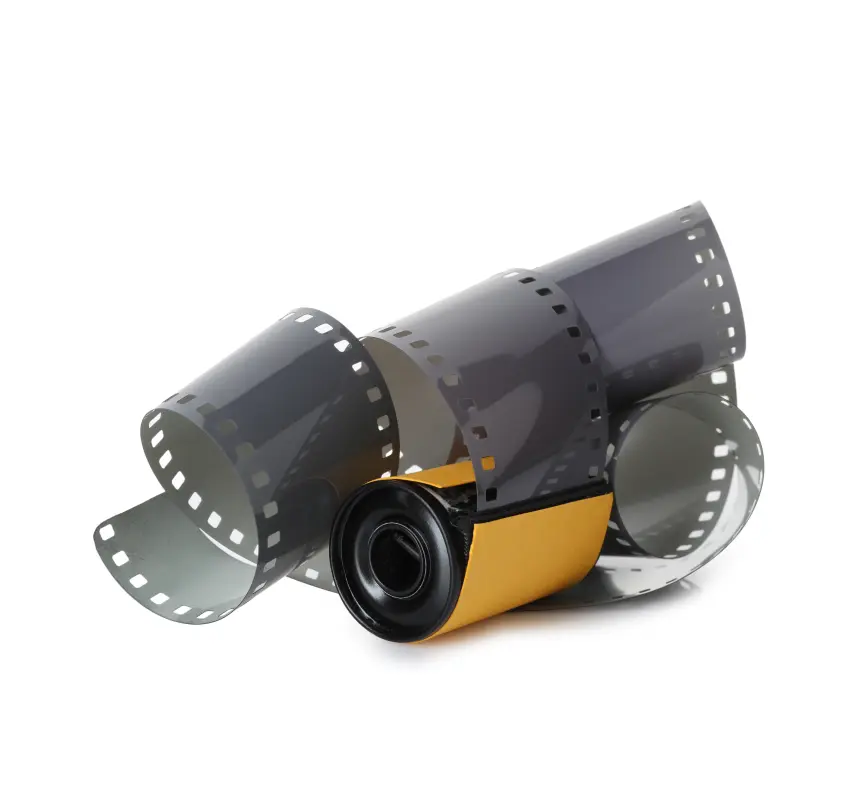
Aperture Card Scanners Digitize Microfilm Images
Over 100 Five-star Reviews • 20+ Years of Experience • Serving the San Francisco Bay Area, California
At eRecordsUSA, we have delivered professional aperture card scanning services in the SF Bay Area for the last 20+ years, converting legacy microfilm records into structured, high-resolution digital files that support fast access and organized retrieval.
Organizations across San Francisco, Oakland, San Jose, and surrounding Bay Area cities depend on us to digitize archived engineering drawings, architectural blueprints, and technical schematics with accuracy and consistency.
Aperture cards, commonly built around 35mm microfilm with embedded Hollerith data, store essential design information that becomes difficult to retrieve as equipment ages.
Our aperture card digitization workflow combines high-resolution imaging, OCR, and metadata indexing, ensuring each record is preserved clearly and structured for seamless system integration.
We handle large-scale aperture card digitization projects, managing everything from compact file sets to extensive engineering archives. All materials are processed within our local facility under controlled handling procedures, maintaining confidentiality and traceability throughout the workflow.
Whether the objective is to improve accessibility, support operational workflows, or preserve historical records, our aperture card digitization services are designed to deliver structured, dependable digital outputs.










Understand. Evaluate. Act
Aperture card scanning refers to converting film-based technical records into structured digital formats that support indexing, retrieval, and long-term usability. Digitization becomes essential when legacy storage methods begin limiting operational efficiency and data continuity.


eRecordsUSA - Trusted Choice for Bulk Aperture Card Scanning
Film Storage Preservation
We preserve aging microfilm by converting it into stable digital formats, ensuring long-term clarity and protecting critical engineering details from environmental degradation.
Modern Access Enablement
We eliminate dependency on outdated reader equipment by enabling seamless digital access, allowing teams to retrieve records without relying on obsolete hardware.
Structured Data Retrieval
Metadata indexing organizes records into searchable formats, allowing quick identification of specific drawings without manual sorting or dependency on physical systems.
Secure Data Protection
Digital formats improve record security by reducing exposure to physical damage, misplacement, and environmental risks while ensuring long-term accessibility.
Track. Capture. Validate.
What is the eRecordsUSA Aperture Card Scanning Process?
Our structured aperture card scanning workflow ensures each card is processed with traceability, precision, and consistency. Every stage maintains document integrity while supporting controlled handling from intake through final digital delivery.
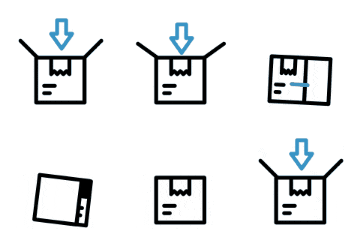
1. Intake & Tracking

2. Image Capture

3. Hollerith Extraction

4. Image Enhancement

5. Quality Control
7. Optional Secure Shredding
6. Secure Delivery
From Engineering Firms to Public Agencies
Who trusts eRecordsUSA with Aperture Card Digitization Projects?
Organizations across Northern California that manage technical and engineering archives rely on structured aperture card digitization to improve accessibility, maintain continuity, and support operational workflows across large and complex record collections.

Audience Segment we serve:
- Engineering & Manufacturing Firms – Maintaining legacy technical drawings and production schematics to support ongoing operations, product lifecycle management, and regulatory compliance across multiple facilities.
- Government & Public Works Departments – Managing infrastructure records, utility drawings, and historical documentation requiring organized digital access for maintenance, planning, and public service operations.
- Architecture & Construction (AEC) Firms – Accessing archived blueprints and project drawings for renovations, expansions, and compliance with building standards across active and completed construction projects.
- Libraries & Archival Institutions – Preserving technical and historical collections by converting aperture card records into structured digital formats for long-term access and research usability.
Scale. Process. Deliver.
How does Bulk Aperture Card Scanning Support Large-scale Engineering Archives and Legacy Collections?
High-volume aperture card digitization enables organizations to convert extensive physical archives into structured digital repositories without disrupting ongoing operations. Scalable workflows ensure consistency across thousands of records.




Trust. Precision. Continuity.
Why do Organizations Choose eRecordsUSA for Bulk Aperture Card Scanning Services?
Organizations choose eRecordsUSA for structured execution, controlled handling, and usable outputs. Our work supports engineering workflows across the San Francisco Bay Area and surrounding regions.
1. Handle Complex Engineering Records
Engineering-grade aperture card digitization requires precise interpretation of technical drawings, and companies rely on us because:
- We process aperture cards containing engineering drawings, title blocks, and revision data with precision.
- Our team preserves the technical structure required for engineering, facilities, and document control teams.
- We maintain clarity across line drawings, annotations, and multi-layered technical details.
- Manage mixed-condition and legacy collections while keeping output consistency across datasets.
2. Deliver Structured, Usable Outputs
Structured digital outputs are designed for searchable access, system compatibility, and efficient navigation across large-scale engineering document repositories.
- We organize files using validated metadata for fast and accurate search and retrieval.
- We prepare outputs for document management systems, CAD environments, and cloud platforms.
- We align file formats with both archival storage and day-to-day operational use.
- Our team structures datasets to support large engineering archives without navigation complexity.
3. Maintain Controlled Project Execution
Controlled project execution ensures traceability, secure handling, and consistent processing across high-volume aperture card digitization workflows.
- We define project scope based on volume, condition, indexing needs, and delivery requirements.
- We track materials through documented chain-of-custody from intake to final delivery.
- We process all records within a secure, in-house environment for full control.
- Follow ISO-certified workflows to ensure consistency, security, and accountability.

4. Provide Local, Reliable Service Delivery
Local service delivery combines Bay Area operational presence, inclusive accessibility, and long-term project support for organizations managing technical archives.
- As a women-owned and minority-owned business, we maintain an inclusive and accessible service environment.
- We bring 20+ years of experience handling large-scale and multi-department projects.
- Get free estimates, consultations, and references for transparency and planning.
- We support clients with multilingual service and an inclusive, accessible environment.

FAQs About Bulk Aperture Card Scanning Services
Q1. What resolution is best for aperture card scanning?
A: Aperture card scanning uses 200–600 DPI based on drawing complexity. High-resolution scanning preserves fine lines and annotations for engineering use and archival clarity.
Q2. Can aperture cards be converted into searchable PDF files?
A: Aperture card scanning converts images into searchable PDFs using OCR. OCR extracts text and enables keyword-based search across engineering records.
Q3. How long does aperture card scanning take for large projects?
A: Aperture card scanning timelines depend on volume, condition, and indexing needs. Bulk projects typically range from a few days to several weeks.
Q4. Can color aperture cards be scanned accurately?
A: Aperture card scanning supports grayscale and color capture. Color scanning preserves annotations and markings when required for technical interpretation.
Q5. What happens if aperture cards have missing metadata?
A: Aperture card scanning uses manual indexing and title block extraction when metadata is missing. This ensures accurate file naming and structured retrieval.
Q6. Are digitized aperture cards legally acceptable records?
A: Digitized aperture cards serve as official records when scanned with proper quality control and indexing. Compliance depends on organizational and regulatory standards.
Q7. Can aperture card scanning integrate with existing workflows?
A: Aperture card scanning integrates with document systems and CAD workflows. Structured outputs support direct use without disrupting existing processes.
Q8. What file size should be expected after scanning aperture cards?
A: Aperture card scanning file size depends on resolution and format. Bitonal files are smaller, while grayscale or high-resolution files require more storage.
Q9. Can aperture card scanning support long-term digital preservation?
A: Aperture card scanning supports long-term preservation by converting microfilm into stable digital formats. Proper storage and file structuring ensure future accessibility.
Structure. Continuity. Access.
How does Structured Digitization Support Long-term Engineering Data Continuity?
At eRecordsUSA, we convert aperture card collections into structured digital assets that support long-term continuity and controlled access across engineering environments.
Our approach focuses on maintaining data relationships, ensuring each record remains connected through consistent indexing, validated metadata, and system-ready file organization.
We support environments that require alignment with regulatory, institutional, and operational standards by delivering outputs that integrate into digital repositories, internal databases, and engineering documentation systems.
Every dataset is prepared to support lifecycle management, enabling organizations to maintain continuity across projects, departments, and future system migrations without dependency on legacy storage formats.
Top Scanning & Conversion Services
⭐ What Our Clients Are Saying: Real Results, Real Reliability
Rated 5 Starts For Our Document and Book Scanning Services
At eRecordsUSA, clients across libraries, museums, archives, academic institutions, and government agencies trust us with their most fragile and valuable collections. We don’t just scan—we preserve history. From non-contact scanning to metadata-rich indexing, we deliver digital archives that are as accurate as they are accessible.
Want to See How We Compare? Let us quote your next digitization project and show you why we’re trusted by leading institutions nationwide.