
Historical Document Scanning Near You
Secure In-House Processing • High-Resolution Archival Images • Local Pickup Available
Protect historically significant records with specialized archival digitization designed for fragile, rare, one of a kind and irreplaceable media and materials. eRecordsUSA specializes in digitizing fragile, rare, and oversized archival materials for museums, libraries, government agencies, estates, universities, history centers and private collectors.
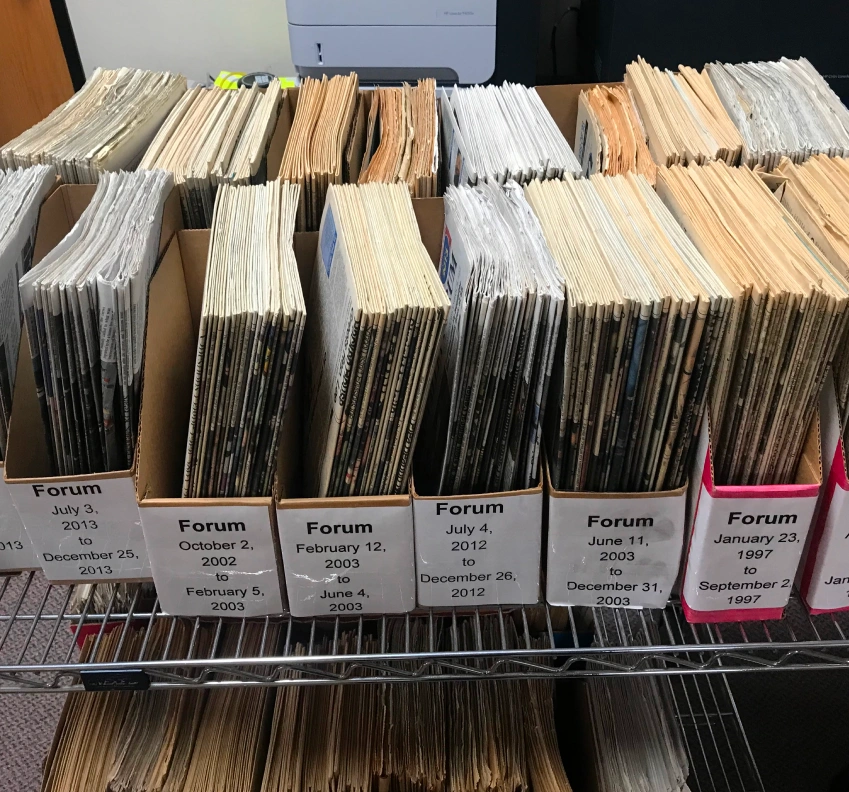
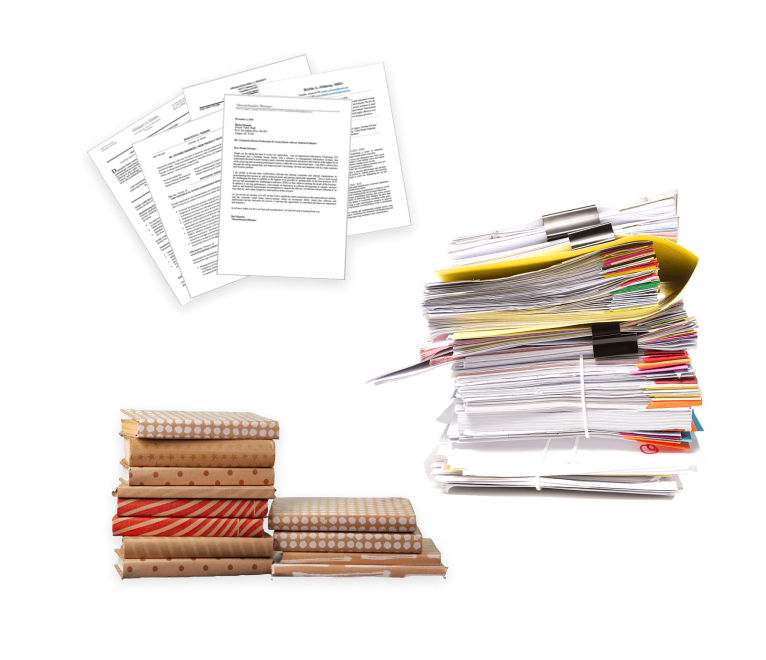
We handle everything from antique letters, fragile, rare, and old handwritten documents & diaries to bound books/manuscripts, maps, drawings, blueprints, photographs, newspapers, and complex archival collections. Our team handles each item with care, using non-contact, high-resolution imaging designed to preserve authenticity.
We complete every project securely in-house, delivering high-quality, organized digital collections built for preservation, research, retrieval, and long-term access.
We offer professional historical document scanning services in the Bay Area, including San Francisco, Oakland, San Jose, and all nearby counties










Long-Term Preservation with Modern Precision
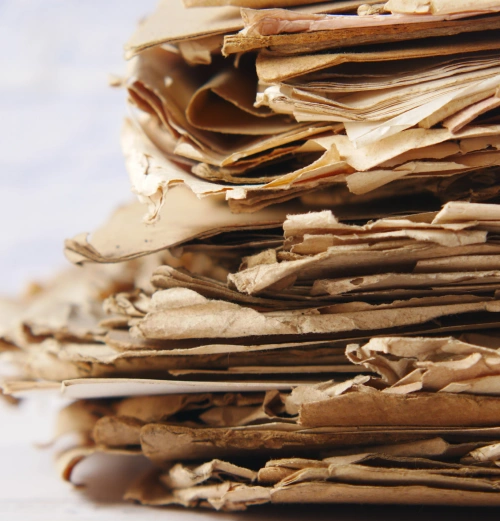
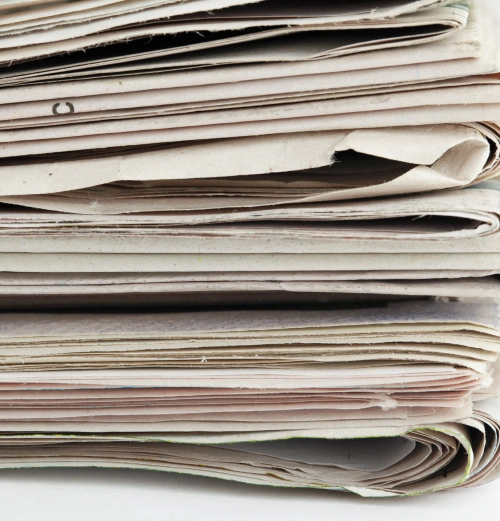
Historical records are irreplaceable sources of cultural, institutional, and family history – but their physical condition continues to change over time. Aging paper can become brittle or discolored, inks can fade, photographs can lose detail, and repeated handling can further stress already fragile materials.
Water, fire, improper storage, and accidental damage can further threaten collections that may be impossible to recreate. At eRecordsUSA, we digitize historical records using high-resolution, preservation-sensitive scanning methods designed to capture the information and visual detail contained in the original while reducing the need for repeated physical handling.


eRecordsUSA – Trusted Choice for Historical Records Digitization
Preserve Historical Records
High-resolution digitization captures handwriting, annotations, photographs, illustrations, linework, and other important visual details in their current condition, creating a lasting digital record even as the physical material continues to age.
Protect Fragile Originals
Once frequently referenced materials have been digitized, researchers, staff, family members, and authorized users can consult digital copies instead of repeatedly handling delicate originals.
Enable Searchable Access
Depending on the material and project requirements, digitized records can be organized by collection, date, subject, document type, or other metadata. Printed materials can also be processed with OCR to create text-searchable files for faster research and retrieval.
Secure Digital Archives
Digital preservation copies reduce dependence on a single physical original. Properly organized digital files can support archival preservation, institutional research, historical reference, disaster preparedness, and long-term access to important records.
8-Step Precise Workflow for Archival Digitization
What’s the Process Behind Our Historical Document Scanning?
At eRecordsUSA, we don’t just digitize – we preserve legacy with purpose. Our 8-step, in-house workflow is engineered for accuracy, sensitivity, and archival-grade compliance. From fragile booklets and maps to multi-box historical archives, we handle every detail with expert care.
1. Free Consultation & Transparent Quote

2. Secure Document Intake

3. Gentle Preparation by Trained Archival Staff

4. High-Resolution, Non-Contact Scanning

5. Image Enhancement + OCR for Searchability
7. 100% Audit & Quality Control
6. Metadata Indexing & Folder Structuring
8. Secure Delivery & Document Return
From Fortune 500 Companies to libraries to the public sector
Trusted by Institutions for Secure Historical Document Digitization
At eRecordsUSA, we partner with organizations that protect and preserve history, serving as the trusted digitization provider across California and beyond. Whether it’s fragile manuscripts or massive archive vaults, we scan with unmatched precision, discretion, and care.

Audience Segments We Serve
- Government & Public Sector — Infrastructure Records, Permits & Historical Files
Clients We Serve: City of Santa Clara, National Park Service, County of San Mateo, State of California, CFTC, Department of Industrial Relations, Golden Gate Bridge Archives - Libraries & Cultural Archives — Newspapers, Rare Books & Ephemera
Clients We Serve: Alameda County Public Library, Redwood City Library, California State Library Archives - Educational Institutions — Manuscripts, Academic Records & Campus Archives
Clients We Serve: San Jose State University, Stanford University - Conservation & Environmental Groups — Research Archives & Project Documentation
Clients We Serve: Tompkins Conservation Archive - Museums — Rare Books, Photos, Blueprints & Ephemeral Collections
Clients We Serve: Computer History Museum, The Foster Museum, Rosicrucian Egyptian Museum, Campbell Historical Museum, The Company of Military Historians, Southern Pacific Railroad History Center
From Rare Books to Oversized Blueprints
What Types of Historical Documents Do We Digitize?
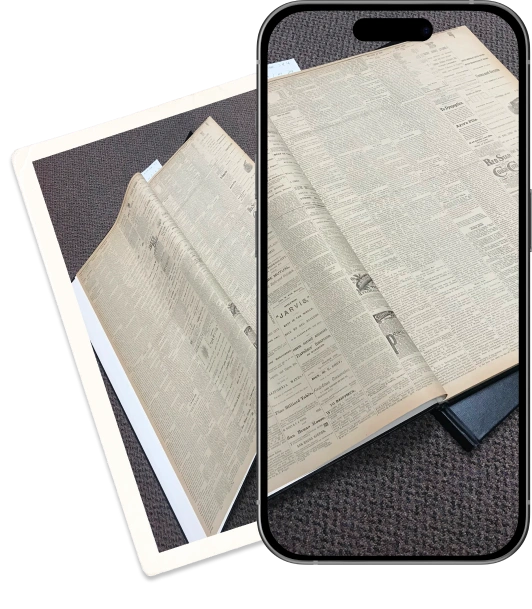
At eRecordsUSA, we specialize in scanning fragile, oversized, and historically significant materials with preservation-grade accuracy. Whether you’re archiving centuries-old manuscripts, municipal blueprints, or family genealogy records, our equipment and workflows handle complexity without compromising integrity.




Specialized Expertise for Fragile Archives
What Makes Our Historical Document Scanning Different?
At eRecordsUSA, we go beyond basic digitization. Our historical scanning services are precision-engineered for institutions, government agencies, archives, libraries, and collectors with delicate, high-volume, or legacy materials. Every step—from intake to delivery is designed to protect your collection and meet your project’s unique archival goals.
1. Tailored Workflows for Each Archive
No two collections are the same—and neither are our scanning strategies. We create custom workflows based on document condition, format, and access requirements:
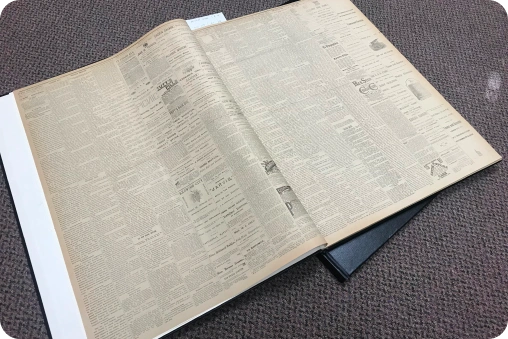
- Format-specific handling for brittle, bound, or oversized documents
- Output in PDF, TIFF, JPEG, or searchable PDF/A
- Metadata tagging by author, date, collection, or custom fields
- OCR-enabled or image-only delivery based on legibility and use case
2. Built for Bulk & Multi-Phase Projects
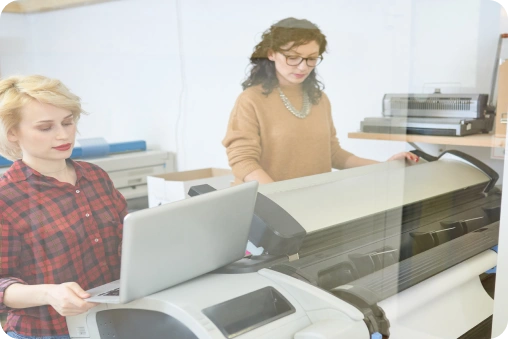
We support full-scale digitization of large collections, legacy archives, and departmental repositories. High-capacity scanning infrastructure ensures timely delivery without compromising care:
- Parallel scanner stations for fast throughput
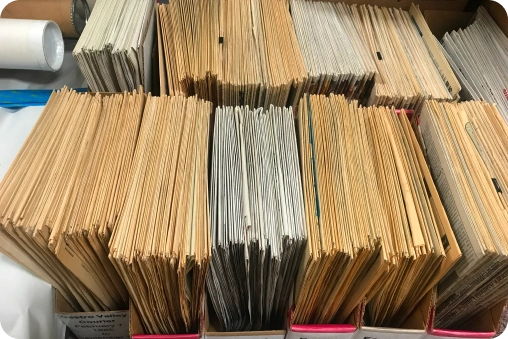
- Experience with multi-box and multi-year archives
- Rapid project scaling for time-sensitive or grant-funded initiatives
- Batch processing & inventory control to track collection movement
3. Real-Time Collaboration & Transparent Updates
Your project is never “out of sight.” We provide hands-on coordination and visibility throughout. You’ll stay informed and in control at every phase:
- Weekly or milestone-based updates with deliverable tracking
- Project managed by expert professionals
- A dedicated local contact from kickoff to final delivery

4. In-House Confidentiality & Chain-of-Custody
We never outsource historical scanning. Your documents remain protected—from arrival to archive. Security and privacy are foundational to our service:
- All scanning is conducted at our Fremont, CA facility
- Access-restricted processing areas
- Optional NDAs and secure transport protocols
- Compliance with ISO 27001, HIPAA, and best practices in archival handling

Historical Records Digitization FAQs
How should I prepare historical documents for professional scanning?
Avoid unnecessary cleaning, flattening, rebinding, or repairs to fragile originals. eRecordsUSA evaluates the collection first and determines the appropriate preparation and handling method based on its condition, format, and binding.
Can handwritten historical documents be converted into searchable text?
Handwriting is less reliable with conventional OCR than printed text. The appropriate approach depends on handwriting quality, document condition, language, and whether the project requires image preservation, text recognition, or transcription. We can support text extraction post-digitization with 100% accuracy.
What happens to original historical documents after scanning?
Originals are maintained through the controlled digitization workflow and returned in organized order after scanning and returned as per the client’s written request
How long does historical document scanning take?
Turnaround depends on collection volume, condition, document formats, scanning resolution, preparation, OCR, metadata, quality control, and required outputs. eRecordsUSA establishes the project scope and timeline before production begins.
Can historical documents be shipped or picked up for scanning?
Bay Area collections can be coordinated through scheduled drop-off or pickup. For nationwide projects, we can arrange transportation based on the collection’s size, condition, value, and handling requirements.
Preserve Institutional Memory with Archival Precision
Archival-Grade Scanning for Historical Documents & Legacy Collections
At eRecordsUSA, we understand that historical documents are more than aging pages—they are irreplaceable records of cultural heritage, institutional legacy, and public memory. For over 20 years, we’ve supported libraries, universities, historical societies, and government agencies in safeguarding these assets through secure, standards-based digitization.
We perform all scanning in-house at our Fremont, California facility using non-contact planetary scanners designed to preserve fragile materials while capturing exceptional image fidelity. We follow digitization workflows aligned with FADGI, HIPAA, ISO 27001, and CUI compliance standards—ensuring that every scan meets the highest expectations for archival preservation, regulatory integrity, and digital accessibility.
We deliver structured, metadata-tagged digital files that are compatible with institutional repositories, digital asset management systems (DAMs), and academic archives. From bound volumes and rare manuscripts to large-format maps, microfilm, and photographic materials, eRecordsUSA is the trusted partner for archival-grade scanning across the San Francisco Bay Area and beyond.
Historical Document Scanning Specifications & Archival File Formats
Archival digitization is not a one-size-fits-all process. Resolution, capture method, image processing, file format, OCR, metadata, and digital delivery should reflect the source material’s physical characteristics and the intended use of the digital collection.
A fragile handwritten journal intended for long-term preservation has different capture and output requirements from printed historical records being digitized for full-text search and routine access.
eRecordsUSA establishes project-specific digitization specifications so the resulting files support the required level of image fidelity, preservation, retrieval, and accessibility.
- Resolution & Quality – High-resolution scanning preserves the visual information contained in historical materials, including handwriting, annotations, illustrations, photographic detail, and fine linework in maps and engineering drawings.
For many printed historical documents and archival records, 400 DPI provides detailed digital capture. 600 DPI suits materials where finer image information must be retained, including detailed handwriting, maps, photographs, illustrations, and other visually complex originals. Resolution is determined by the characteristics and intended use of the source material – not applied uniformly across an entire collection.
- Archival File Formats – Historical document digitization can produce TIFF, JPEG, PDF, and searchable PDF/PDF-A files according to preservation, research, distribution, and access requirements.
TIFF supports high-quality archival master images where image fidelity is a priority. PDF and PDF/A provide document-oriented outputs for research, distribution, retrieval, and long-term access. JPEG provides an efficient image format for appropriate photographic collections and access derivatives. Projects can also use separate preservationmastersandaccesscopies, retaining archival-quality source files while using practical derivatives for everyday viewing, sharing, and research.
- OCR and Searchability – Optical Character Recognition (OCR) converts printed text in scanned images into machine-readable, searchable information.
Applying OCR to historical documents allows researchers, archivists, staff, and authorized users to search names, dates, locations, phrases, and other textual information across a digital collection instead of manually examining individual page images. OCR performance is influenced by the condition of the source document, typography, contrast, page layout, language, print quality, and image quality. Handwritten historical records require separate consideration because conventional OCR does not interpret handwriting with the same reliability as clearly printed text.
- Metadata and Organization – A digital archive must be organized as well as accurately scanned. Metadata indexing, structured file naming, and logical folder organization establish the context required to identify, locate, and retrieve records efficiently.
Depending on project requirements, metadata can include collection name, document type, author, date, subject, location, record identifier, or client-defined fields. File-naming conventions and folder hierarchies can also mirror the structure of the physical collection or conform to the requirements of the receiving digital system. For large historical collections, this combination of OCR, metadata, indexing, and structured organization transforms individual scanned files into a coherent, searchable digital archive.
Discuss Your Digitization Requirements
+1.510.900.8800
What Determines Historical Document Scanning Cost?
Historical document scanning costs depend on more than the number of pages in a collection. Physical condition, document format, dimensions, handling requirements, scanning resolution, OCR, metadata, and digital output specifications can all affect the scope of an archival digitization project.
eRecordsUSA evaluates each collection before production begins so the estimate reflects the materials, required workflow, and intended digital deliverables.
This is particularly important for fragile, bound, oversized, or mixed-format archives that cannot be accurately priced as conventional document scanning.
- Collection Volume – The number of documents, pages, books, boxes, photographs, maps, or other items establishes the overall scale of the project. Large archival collections may be organized into batches or project phases to maintain consistent processing, file organization, and quality control throughout digitization.
- Material Condition – Fragile, brittle, damaged, tightly bound, or unusually delicate materials require more controlled preparation and handling than standard loose documents. The physical condition of the originals helps determine the appropriate scanning method, preparation requirements, and production workflow.
- Document Format – Loose records, bound books, newspapers, photographs, oversized maps, blueprints, microfilm, microfiche, and aperture cards require different capture equipment and processing methods. Collections containing multiple material types are evaluated by format so each component can be digitized using the appropriate workflow.
- Scanning Requirements – Resolution, color requirements, image processing, and capture specifications influence the amount of processing required for each item. Projects requiring detailed 400/ 600 DPI capture, preservation-quality master images, specialized large-format scanning, or other project-specific specifications are scoped according to those requirements.
- OCR and Metadata – Creating searchable digital archives can involve additional processing beyond image capture. Project planning defines OCR, metadata indexing, custom file naming, folder organization, and collection-specific data fields so the final archive can be searched and navigated for its intended use.
- Digital Deliverables – The required output structure also influences project scope. A straightforward searchable PDF collection has different processing requirements from an archive requiring TIFF preservation masters, access derivatives, metadata, structured naming conventions, and repository-ready organization. Defining the required deliverables before scanning begins ensures that the collection is produced correctly from the outset.
Every historical archive is different. A project assessment allows eRecordsUSA to identify the appropriate scanning workflow, required digital outputs, and project scope before providing an estimate for approval.
Volume • Condition • Format • Resolution • OCR • Metadata • Digital Outputs
Request a Historical Scanning Quote
+1.510.900.8800
Top Scanning & Conversion Services
⭐ What Our Clients Are Saying: Real Results, Real Reliability
Rated 5 Starts For Our Document and Book Scanning Services
At eRecordsUSA, clients across libraries, museums, archives, academic institutions, and government agencies trust us with their most fragile and valuable collections. We don’t just scan—we preserve history. From non-contact scanning to metadata-rich indexing, we deliver digital archives that are as accurate as they are accessible.


Want to See How We Compare? Let us quote your next digitization project and show you why we’re trusted by leading institutions nationwide.