
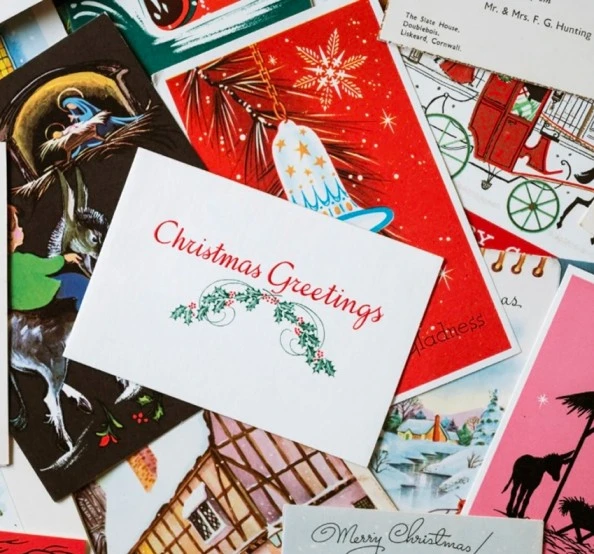
Scan a Stack of Postcards
Over 100 Five-star Reviews • 20+ Years of Experience • Serving the San Francisco Bay Area, California
eRecordsUSA provides professional postcard scanning and letter digitization services for clients across the San Francisco Bay Area, including Oakland, San Jose, and surrounding cities and counties. Our services are designed for high-volume and archival-grade digitization, supporting individuals, families, genealogists, businesses, and institutions that require consistent quality, accuracy, and secure handling.
Using advanced overhead and large glass-bed scanners, along with FADGI-aligned high-resolution workflows, we digitize fragile postcards in any condition without physical stress. Both front artwork and back correspondence are captured with precision image processing and white-glove handling.
All projects are executed entirely in-house by trained personnel, ensuring controlled workflows, reliable turnaround, and strict confidentiality from intake through final delivery. With 20+ years of experience, ISO-certified operations, and recognition as a women-owned and minority-owned business, eRecordsUSA is trusted across the Bay Area for professional postcard digitization.
Preserve your postcards before time and handling take their toll—start with a trusted bulk postcard scanning provider.










Scanning Old Postcards
Physical postcards naturally degrade over time due to light exposure, frequent handling, humidity, and improper storage. High-resolution digitization protects these fragile materials by creating durable digital records—while preserving the original postcards in their current condition.


eRecordsUSA — Trusted for High-Volume Postcard Scanning
1. Long-Term Preservation
Digitizing postcards safeguards historically significant and sentimental materials from physical decay, environmental damage, and accidental loss. Digital preservation reduces the need for repeated handling of fragile originals, extending their lifespan.
2. High-Resolution Visual Accuracy
Professional scanning captures fine details such as handwriting, postmarks, textures, and artwork. This ensures both visual and informational integrity for archival storage, genealogy research, exhibitions, and reproduction.
3. Searchable and Accessible Archives
Indexed and metadata-driven digitization makes postcard collections searchable by date, location, sender, or custom identifiers. This improves retrieval speed and allows secure sharing without risking damage to the originals.
4. Operational Efficiency and Space Reduction
Digital postcard archives reduce physical storage needs, simplify organization, and support faster workflows for research, reference, and distribution across personal, institutional, and professional environments.
Scan and Digitize Old Postcards
eRecordsUSA’s Postcard Scanning & Digitization Process
At eRecordsUSA, postcard digitization follows a controlled, end-to-end workflow designed for accuracy, preservation, security, and scalability. Each phase protects material integrity while meeting confidentiality and compliance expectations for high-volume collections.

1. Consultation and Project Assessment

2. Secure Intake and Chain of Custody

3. Preparation and Inspection

5. Quality Control and Verification
7. Secure Shredding or Material Return

4. High-Resolution Scanning
6. Indexing, Delivery, and Archiving
Vintage Postcards Scanning
Which Industries Use Postcard Scanning Services?
Organizations across San Francisco, Oakland, San Jose, and the broader San Francisco Bay Area rely on postcard scanning to preserve regional history, cultural archives, and community records. Local museums, libraries, genealogists, collectors, and cultural institutions use high-resolution digitization to protect fragile postcard collections that document Bay Area neighborhoods, landmarks, travel history, and social life.
Proximity to a local scanning facility also enables secure handling, controlled chain-of-custody workflows, and efficient coordination for bulk and archival-grade postcard digitization projects.

Industries We Serve
- Museums and Historical Societies – Museums digitize postcard collections to preserve historical imagery, postmarks, and correspondence. High-resolution scanning supports digital exhibits, research access, and long-term archival preservation without repeated handling of fragile originals.
- Libraries and Academic Institutions – Libraries and universities scan postcard archives to support research, cataloging, and public access initiatives. Digitized collections enable searchable metadata, controlled sharing, and integration with digital library and archival management systems.
- Genealogists and Family Historians – Genealogists digitize postcards to preserve family correspondence, travel records, and historical context. Searchable digital files support lineage research, storytelling, and secure sharing without risking damage to original materials.
- Private Collectors and Estates – Collectors and estates use postcard scanning to document, preserve, and organize valuable or sentimental collections. Digital archives support insurance records, valuation, research, and long-term preservation planning.
- Businesses and Cultural Organizations – Businesses and cultural organizations digitize postcard materials for branding archives, publications, exhibitions, and historical documentation. High-resolution scans preserve visual integrity while enabling efficient reuse across digital and print platforms.
Archival-Grade Postcard Scanner Standards
Recommended Scanning Specifications for Postcard Digitization
Professional postcard digitization requires specifications that protect fragile originals while accurately capturing visual and written details. At eRecordsUSA, scanning standards are selected based on postcard condition, historical significance, and the intended use of the digital files.


Postcard Scanning Essentials: OCR, Bleed, and Margins
How Does eRecordsUSA Deliver Secure, Searchable, and Scalable Postcard Digitization?
At eRecordsUSA, postcard digitization is delivered through a structured system that combines non-contact scanning technology, searchable indexing, controlled bulk workflows, and archival-ready file delivery. Each component is designed to support high-volume projects across the San Francisco Bay Area while maintaining accuracy, preservation standards, and long-term usability.
1. No-Contact Overhead Scanning
- Overhead scanners digitize postcards without pressure, preventing bending or surface damage
- Supports brittle edges, curled corners, fading inks, and sensitive coatings
- Captures texture, handwriting, postmarks, stamps, and ink variation accurately
- Enables album or bound postcard capture without removal or handling disruption


2. Structured Searchable Indexing
- Postcards indexed using dates, locations, names, events, or collection identifiers
- Metadata fields compiled into consistent, searchable digital indexes
- Indexing workflows maintain accuracy across high-volume postcard collections
- Searchable archives support genealogy, research, institutional, and business access
3. Scalable Bulk Processing
- Bulk projects organized into controlled batches for consistent handling and tracking
- Naming conventions and folder structures align with long-term archive management
- Quality checks verify image clarity, completeness, and indexing accuracy
- All scanning performed in-house for Bay Area clients


4. Archival-Ready Delivery
- TIFF files preserve maximum quality for long-term archival storage
- JPEG files support efficient viewing and sharing with smaller file sizes
- PDF files enable grouped postcard access for reference use
- Files delivered through secure cloud links for retention and disaster recovery

Postcard Scanning FAQS
1. What is postcard scanning used for?
Postcard scanning converts physical postcards into high-resolution digital files. It is used for preservation, genealogy, research, sharing, archival storage, and protecting fragile or historically valuable postcards from physical damage.
2. Should postcards be scanned on both sides?
Yes. Both front and back should be scanned to preserve full context, including artwork, handwritten messages, addresses, stamps, and postmarks, which are often critical for historical, genealogical, and archival interpretation.
3. What resolution is best for scanning postcards?
Most postcards are scanned at 600 DPI or higher to capture fine details like handwriting, textures, and postmarks. Lower resolutions are used only for access-only or reference files.
4. Can fragile or vintage postcards be scanned safely?
Yes. Fragile postcards are scanned using non-contact overhead or large glass-bed scanners that avoid pressure, bending, or flattening, helping preserve delicate paper, inks, and finishes.
5. Can handwriting on postcards be captured clearly?
High-resolution scanning captures handwriting, ink variation, and fading accurately. OCR may be applied to printed text, while handwritten content is preserved visually for interpretation and research.
6. Are scanned postcards searchable?
Yes. Scanned postcards can be indexed using metadata such as dates, locations, names, or identifiers, making collections searchable and easier to manage without handling physical originals.
7. What file formats are used for postcard digitization?
Common formats include TIFF for archival preservation, JPEG for viewing and sharing, and PDF for grouped or reference access, depending on project needs.
8. Can large postcard collections be digitized in bulk?
Yes. Bulk postcard scanning is organized into controlled batches with consistent handling, indexing, quality checks, and structured delivery, supporting large personal, institutional, or archival collections.
9. How are postcards kept secure during scanning?
Postcards are handled through controlled intake, in-house processing, and documented workflows. Access is restricted, and files are delivered through secure digital channels to protect sensitive or valuable materials.
Direct Mail Postcards Scanning
Postcard Scanning Services in San Francisco, Bay Area
Organizations and individuals across San Francisco, Oakland, San Jose, and the broader San Francisco Bay Area rely on professional postcard scanning to preserve historical, cultural, and personal collections. Many postcard archives document Bay Area neighborhoods, landmarks, transportation, tourism, and community life, making careful digitization essential.
eRecordsUSA supports clients throughout San Francisco County, Alameda County, and Santa Clara County with in-house, archival-grade postcard digitization. Our local production facility enables secure handling, controlled chain-of-custody workflows, and efficient coordination for bulk and fragile postcard collections—without third-party processing or out-of-state shipping.
Serving the Bay Area locally allows faster turnaround, reduced handling risk, and digitization practices aligned with California preservation and data-handling expectations, making eRecordsUSA a trusted regional partner for postcard scanning projects of any scale.
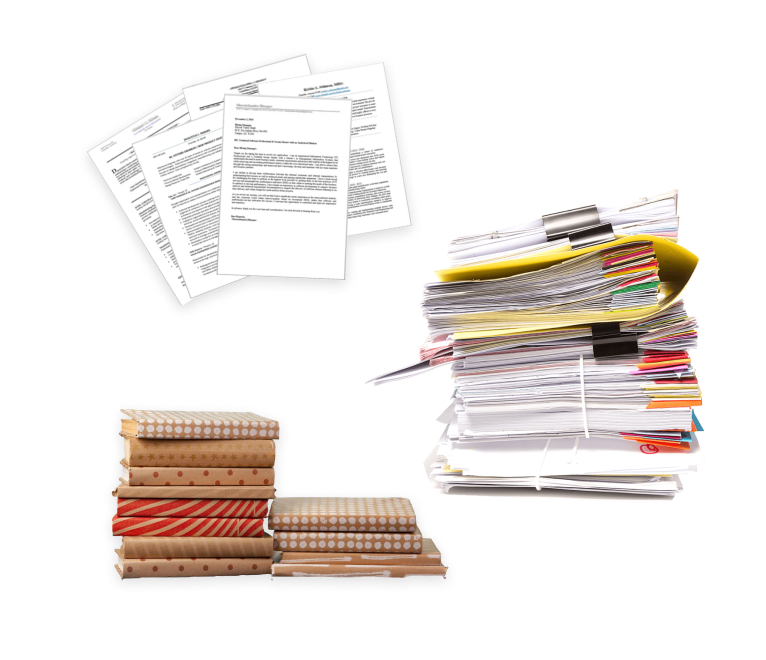
Top Scanning & Conversion Services
⭐ Trusted by Clients Who Care About Preservation
Rated 5 Starts For Our Document and Book Scanning Services
Clients choose eRecordsUSA for careful handling, consistent quality, and dependable results. In-house processing, structured workflows, and archival-grade scanning ensure postcard collections remain secure, searchable, and ready for long-term use—project after project.








Want to See How We Compare? Let us quote your next digitization project and show you why we’re trusted by leading institutions nationwide.