
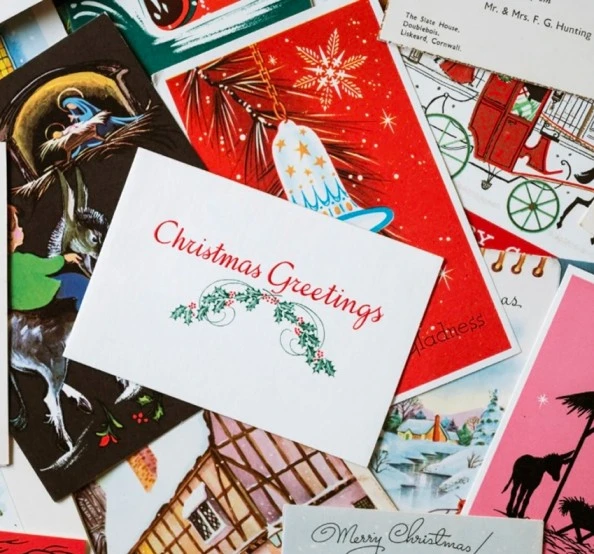
Digitize a Large Amount of Genealogy Files
Over 100 Five-star Reviews • 20+ Years of Experience • Serving the San Francisco Bay Area, California
eRecordsUSA provides professional genealogy archival scanning and digitization services for families, genealogists, libraries, history centers, corporations, and institutions across the Greater San Francisco Bay Area, including San Francisco, Oakland, San Jose, and surrounding cities and counties, as well as nationwide projects requiring secure, large-volume handling.
We digitize family history and legacy materials—including documents, photographs, letters, and multi-generation archives—using high-resolution imaging and preservation-first workflows. Fragile originals are protected throughout the process while being converted into metadata-organized digital records designed to support genealogy research, family trees, and long-term archival access.
With more than 20 years of professional digitization experience, a local Bay Area production facility, and trained in-house technicians, eRecordsUSA manages bulk and large-volume genealogy scanning projects with consistency, accountability, and strict confidentiality. Our services support everything from individual family collections to estate-level and institutional archives, enabling secure access, sharing, and stewardship across generations.
Protect your family’s history before time and handling take their toll. Preserve and digitize your genealogy records with a trusted, locally operated archival scanning partner.






convert fragile family photos, documents, slides, and negatives into high-resolution digital files
Family history materials—including photographs, handwritten letters, family Bibles, framed prints, diaries, journals, certificates, and newspapers—are highly vulnerable to deterioration caused by light exposure, humidity, repeated handling, and improper storage. As paper weakens and ink fades, irreplaceable historical and personal details are gradually lost.
Genealogy scanning safeguards these materials by converting them into high-resolution digital records while preserving the originals in their existing condition. Digitized family history records support long-term preservation, structured research, and secure access—ensuring genealogical information remains readable, usable, and available for future generations.
Preservation begins with understanding what materials make up a genealogy collection and how each requires format-appropriate digitization.


eRecordsUSA — Trusted for Large-Volume Genealogy Records Scanning
1. Long-Term Preservation
Protect fragile family records from physical decay, environmental damage, and accidental loss while ensuring they remain preserved in stable, archival-ready digital formats.
2. Improved Accessibility
Enable secure access and sharing of genealogy files with relatives and researchers without repeated handling of original materials.
3. Searchable Organization
Create metadata-organized digital archives that support efficient genealogy research, family tree development, and historical reference.
4. Reduced Storage and Handling Burden
Eliminate physical storage constraints and minimize handling risks while maintaining complete, future-ready family history archives.
Preserve Family History: Review Genealogy Book Scanning Services
How Does Our Genealogy Scanning Process Work?
Genealogy scanning requires more than standard digitization. It demands preservation-first handling, consistent organization, and controlled workflows to protect irreplaceable family materials while maintaining historical context. eRecordsUSA follows a structured, end-to-end genealogy scanning process designed for accuracy, confidentiality, and scale—supporting everything from individual family collections to large, multi-generation archives.
1. Consultation and Collection Assessment

2. Preservation-First Preparation and Handling
3. High-Resolution, Format-Appropriate Scanning
5. Indexing, Organization, and Secure Digital Delivery

4. Quality Control and Image Verification
6. Secure Return or Confidential Shredding
Trusted by Families, Researchers, and Institutions
Who Do We Serve Through Genealogy Scanning?
Genealogy scanning becomes essential when family history materials are fragile, unstructured, or accumulated across decades. These collections often require more than basic digitization—they demand disciplined handling, structured continuity, and preservation-grade workflows to protect historical context.
eRecordsUSA supports genealogy projects where accuracy, scale, and long-term usability matter. Our services are designed for collections that require controlled in-house processing, consistent organization, and secure stewardship throughout the digitization lifecycle.

Audience Segments We Serve
Genealogy scanning becomes essential when family history materials are fragile, unstructured, or accumulated across decades. eRecordsUSA supports genealogy projects where accuracy, scale, and long-term usability matter, serving collections that require disciplined handling, structured continuity, and secure in-house workflows.
1. Multi-Generation Family Archives – Family collections spanning decades and formats often lose context when digitized without structure. eRecordsUSA preserves sequence, relationships, and historical continuity across documents, photographs, and handwritten materials.
2. Evidence-Based Genealogy Research – Lineage research depends on source integrity and traceability. High-resolution capture, front-and-back scanning, and structured indexing keep records readable, defensible, and usable for long-term documentation.
3. Estate and Legacy Record Stewardship – Large personal archives often surface during estate transitions. Bulk genealogy scanning enables records to be organized, secured, and preserved at scale without repeated handling or loss of provenance.
4. Community and Donated History Collections – Donated family materials require controlled processing to maintain historical continuity. In-house Bay Area digitization supports safe handling, consistent metadata, and access models aligned with archival, educational, or community use.
Best Family Genealogy Scanning in San Francisco, CA
Bulk Genealogy Scanning for Large Collections and Estates
Genealogy projects often extend far beyond a single album or box, encompassing decades of documents, photographs, albums, and handwritten records accumulated across multiple generations. Managing these collections at scale requires more than basic digitization—it requires structure, continuity, and preservation of historical context across the entire archive.
eRecordsUSA is equipped to manage bulk genealogy scanning projects using controlled, preservation-first workflows that keep large family archives, estate collections, and institutional donations organized, searchable, and intact throughout digitization—without fragmenting relationships between records.
Large genealogy archives require not only structure, but strict safeguards for sensitive family records.


Preservation-First Digitization. Built-In Security. Proven Accountability
Why Is eRecordsUSA a Trusted Partner for Genealogy Scanning?
Genealogy scanning demands more than technical capability—it requires preservation expertise, disciplined operations, and demonstrable trust. With more than 20 years of professional digitization experience, eRecordsUSA delivers archival-grade genealogy scanning through in-house, ISO-certified workflows, trusted by families, researchers, and institutions across the San Francisco Bay Area.
1. Preservation Expertise Built on Decades of Hands-On Digitization
Non-destructive scanning methods protect fragile photographs, certificates, and handwritten records from physical stress. High-resolution capture preserves ink density, texture, and historical detail, while originals remain unaltered under preservation practices refined through decades of archival digitization work.


2. Full Accountability Through In-House, Local Bay Area Operations
All genealogy scanning is performed exclusively by trained eRecordsUSA staff at our local Bay Area facility—never outsourced. This in-house model minimizes transport risk, ensures direct oversight, and applies ISO-certified quality and security standards at every stage of processing.
3. Confidential Handling Designed for Sensitive Family History Records
Each genealogy collection is logged, tracked, and monitored through a documented chain of custody. Access to physical and digital records is restricted to authorized personnel, ensuring confidentiality and privacy throughout scanning, indexing, storage, and delivery.


4. Trust Earned Through Transparency, Support, and Proven Results
Clients choose eRecordsUSA for clear communication, free consultations, and accurate bulk project estimates that support informed decisions. Our services are consistently rated 5 stars on Google and Yelp and delivered by a women-owned and minority-owned ISO-certified small business committed to responsible preservation at scale.
Genealogy Scanning FAQS
1. What resolution is best for genealogy scanning?
Genealogy scanning is best performed at 600 DPI or higher. High resolution preserves handwriting, postmarks, textures, and aging details, ensuring family records remain readable, research-ready, and suitable for long-term digital preservation.
2. Can very fragile or damaged genealogy materials be scanned safely?
Yes. Professional genealogy scanning uses non-contact or low-pressure methods to digitize fragile documents and photographs without bending, flattening, or altering originals, protecting physical integrity while producing high-quality digital files.
3. Is OCR useful for genealogy documents?
OCR is useful for typed or clearly printed genealogy records by making text searchable. While handwritten materials may not fully OCR, metadata indexing ensures names, dates, and locations remain searchable and organized.
4. How are genealogy files organized after scanning?
Digitized genealogy files are organized using structured folders and metadata, typically by family branch, date, document type, or location. This preserves historical context and supports efficient research and long-term archive management.
5. Can genealogy scanning handle large, multi-generation archives?
Yes. Professional genealogy scanning supports bulk and multi-box collections spanning generations while maintaining continuity, structure, and historical relationships across the entire digital archive.
6. How long does a genealogy scanning project take?
Project timelines depend on volume, material condition, and indexing needs. Small collections may take weeks, while large genealogy archives are processed in phases to maintain accuracy, preservation standards, and quality control.
7. Can scanned genealogy files be shared securely with family members?
Yes. Digitized genealogy records can be securely shared with relatives, researchers, or institutions without risking damage to original materials, supporting collaboration and long-term family history preservation.
8. Is genealogy scanning useful for estate or inheritance documentation?
Yes. Genealogy scanning preserves estate records, family documents, and historical proof used for inheritance research and legal reference while maintaining confidentiality and archival integrity.
9. What file formats are best for genealogy preservation?
TIFF is preferred for archival preservation due to image quality and longevity. JPEG and PDF formats support access and sharing. Professional genealogy scanning delivers formats aligned with research, storage, and future use.
10. Is professional genealogy scanning better than scanning at home?
Professional genealogy scanning provides higher resolution, preservation-first handling, and structured organization than home scanning, reducing damage risk and producing archival-ready files suitable for long-term research.
11. Should genealogy documents and photographs be scanned together?
Documents and photographs are best scanned using format-appropriate workflows. Separate handling ensures correct resolution and color accuracy while consistent indexing preserves historical relationships.
12. Can genealogy scanning improve family tree research accuracy?
Yes. High-quality genealogy scanning preserves original details, maintains document order, and enables searchable access, reducing transcription errors and supporting evidence-based family tree documentation.
20+ Years of Trusted Experience in Family History Preservation
Where Genealogy Preservation Meets Archival-Grade Digitization?
At eRecordsUSA, genealogy materials are treated as irreplaceable historical assets—not merely personal records. Family photographs, handwritten letters, certificates, albums, and multi-generation archives carry cultural, emotional, and research significance that requires preservation-grade care. With more than 20 years of professional digitization experience, we help families, genealogists, and institutions convert aging genealogy collections into structured, high-resolution digital archives built for long-term access and historical continuity.
All genealogy scanning is performed entirely in-house at our San Francisco Bay Area facility in Fremont, CA, ensuring full chain-of-custody control and consistent handling from intake through final delivery. Our ISO-certified workflows emphasize non-destructive scanning methods, front-and-back capture where context exists, and visual fidelity that preserves handwriting, imagery, and subtle historical details without altering original materials. Sensitive family records are protected through strict confidentiality protocols, with access limited to authorized personnel throughout scanning, indexing, storage, and delivery.
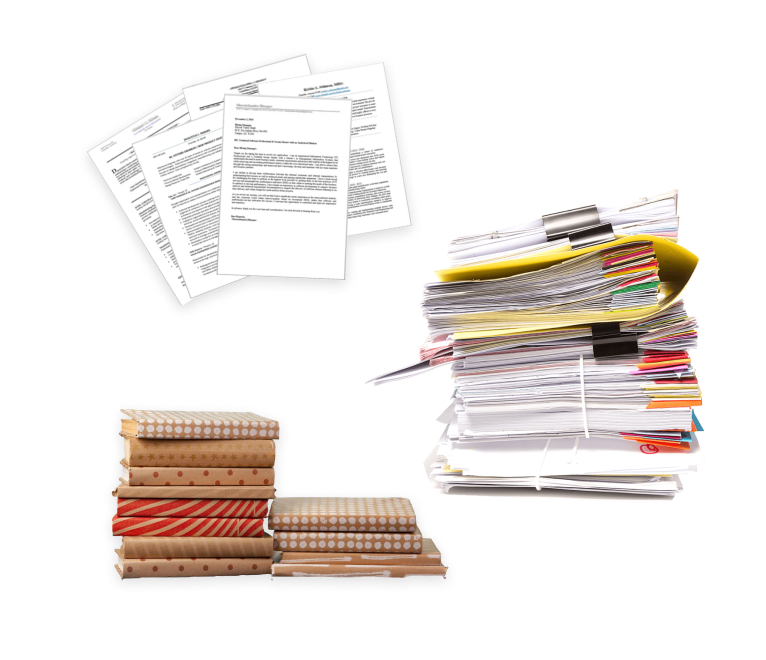
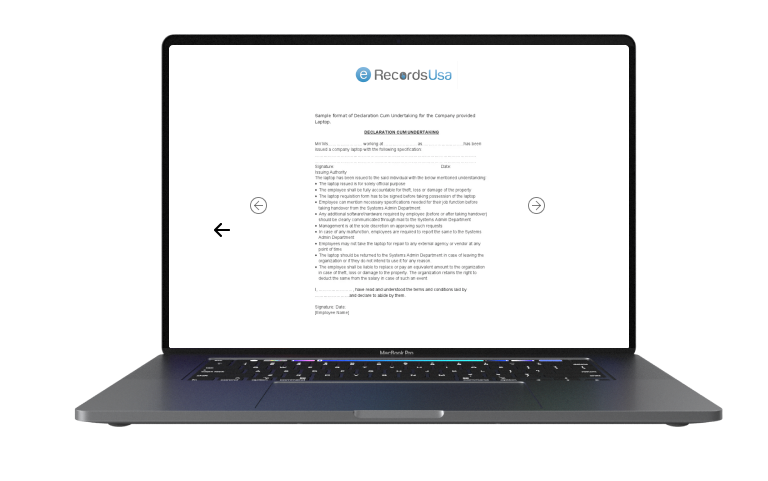
Digitized genealogy files are prepared for research, secure sharing, and long-term retention using structured metadata and optional OCR to support efficient retrieval and organization. Secure digital delivery options are provided, and original materials are either safely returned or confidentially shredded according to client instructions. Whether preserving a single family archive or managing a large, multi-box genealogy collection, eRecordsUSA delivers scalable, preservation-first genealogy scanning trusted by families and researchers across the Bay Area.
Top Scanning & Conversion Services
⭐ What Our Clients Are Saying: Real Results, Real Reliability
Rated 5 Starts For Our Document and Book Scanning Services
At eRecordsUSA, clients across libraries, museums, archives, academic institutions, and government agencies trust us with their most fragile and valuable collections. We don’t just scan—we preserve history. From non-contact scanning to metadata-rich indexing, we deliver digital archives that are as accurate as they are accessible.








Want to See How We Compare? Let us quote your next digitization project and show you why we’re trusted by leading institutions nationwide.