It’s not just price. It’s not just location. And it’s definitely not who ranks first in search results.
Organizations across the United States use document scanning services to convert paper records into secure, searchable digital files. But today, digitization is no longer just about convenience. It is about control, compliance, and long-term accessibility.
Paper records create risk. They are difficult to track, difficult to audit, and vulnerable to loss or unauthorized access. Unlike digital systems, physical documents do not provide built-in retention controls, version tracking, or structured access permissions.
As regulatory pressure increases, especially in healthcare, legal, financial, and government sectors, document scanning has become part of a broader information governance strategy.
Federal records frameworks, including guidance from the National Archives and Records Administration (NARA), require organizations to maintain defensible, accessible records over defined retention periods. Digitization supports those obligations by creating traceable, searchable digital assets.
Industries that most frequently evaluate nationwide document scanning providers include:
- Government agencies managing public records and retention schedules
- Healthcare organizations converting patient files and regulated documentation
- Legal teams preserving contracts, case files, and evidentiary records
- Enterprises modernizing HR, financial, engineering, and operational archives
Professional document scanning services typically deliver:
- OCR-enabled searchable files
- Structured indexing and metadata
- Documented chain of custody
- Audit-ready workflows
But the phrase “Best Document Scanning Services in the USA” represents something deeper.
It reflects a buyer in evaluation mode.
The real question is not who scans documents.
The real question is who controls the process, enforces quality, and remains accountable from intake to delivery.
Before comparing providers, we need to define what “best” actually means in operational terms.
Why “Best Document Scanning Services in the USA” Is Not a Location or Price Question?
When organizations search for the best document scanning services in the USA, the results often prioritize two things:
- Location
- Price
But neither of these alone determines service quality—especially for regulated, large-scale, or high-risk records.
Why Location Alone Is Misleading?
Search queries like “document scanning near me” surface providers based on proximity, not execution capability.
Many nearby results include:
- Retail print centers
- Shipping stores
- Intermediary or broker-based services
For example, retail chains offer small-volume scanning as a convenience service. While suitable for ad hoc needs, they are not structured to manage high-volume custody control, compliance enforcement, or production-grade quality workflows.
Large-scale projects require operational depth—not storefront access.
Organizations handling medical, legal, mortgage, or financial files must consider:
- Who controls intake and processing
- Where documents are stored during production
- Whether custody is documented at every stage
- How exceptions and damaged records are handled
If you are evaluating scanning models, understanding the difference between direct providers and intermediaries becomes critical. We explain this in detail here: Document Scanning Brokers vs Direct Providers
Execution ownership affects security, communication clarity, and accountability.
Why Price Comparisons Often Fail?
Per-page pricing looks simple.
Real-world projects are not.
Advertised rates often assume:
- Uniform paper sizes
- Minimal preparation
- Clean pages
- No indexing depth
- Basic OCR
Actual archives frequently include:
- Mixed sizes
- Staples and bindings
- Faded or torn documents
- Handwritten annotations
- Structured indexing requirements
These variables directly affect production effort.
That is why comparing flat pricing without reviewing document condition or workflow design leads to inaccurate expectations.
For a deeper breakdown of pricing structures, see: Document Scanning Prices Explained
Cost should reflect workflow complexity—not a marketing headline.
What Actually Determines the “Best” Service?
Instead of location or price, serious buyers evaluate:
- Execution Control – Does the provider directly perform scanning, indexing, and QA?
- Chain of Custody – Is every transfer documented and auditable?
- Quality Enforcement – Are image review and OCR validation built into production?
- Workflow Design – Are preparation standards and indexing levels defined upfront?
- Accountability – Is there a single project owner responsible from intake to delivery?
These operational variables directly affect:
- Compliance readiness
- Audit defensibility
- Data integrity
- Retrieval usability
- Timeline predictability
For regulated environments—such as healthcare, federal agencies, or legal institutions—these controls matter far more than ZIP code proximity.
Organizations operating under federal retention mandates require structured execution models commonly seen in federal government document scanning services, where custody documentation and audit readiness are enforced at every stage.
In healthcare environments, medical records scanning services must align with regulated handling standards to protect sensitive patient data throughout intake, processing, and delivery.
The Real Meaning of “Best”
The best document scanning service in the USA is not the closest.
It is not the cheapest.
It is the provider that:
- Designs workflows before production begins
- Controls records end-to-end
- Enforces quality during scanning—not after delivery
- Maintains documented custody
- Accepts written accountability for scope, timelines, and outcomes
Once location and price are removed from the center of the evaluation, the next step is understanding how to systematically choose a provider based on execution standards.
How to Choose the Best Document Scanning Service in the USA?
Once location and price are removed from the center of the evaluation, the next step is execution analysis.
Choosing the best document scanning service in the USA depends on how the provider designs, controls, and enforces its operational workflow—not how it markets its services.
High-performing providers distinguish themselves through five structural pillars.
1. Execution Model: Direct vs Brokered
Some companies perform scanning in-house. Others act as coordinators who subcontract production.
This distinction directly affects:
- Custody continuity
- Communication clarity
- Quality enforcement
- Issue resolution speed
When the same organization controls intake, preparation, scanning, indexing, and quality review, accountability remains centralized. Each handoff eliminated reduces operational variability.
If you are evaluating outsourcing versus in-house production models more broadly, this breakdown may help: Outsource Document Scanning vs In-House
Execution ownership determines risk exposure.
2. Security Controls & Chain of Custody
Document scanning is not just image capture. It is controlled handling.
Providers should clearly define:
- Where documents are stored during processing
- Who has physical and digital access
- How transfers are logged
- Whether custody documentation is audit-ready
For regulated industries, security must be systematic—not implied.
Structured security environments are typically outlined under secure handling frameworks such as: Secure and Compliant Operations
Without documented custody, even technically accurate scans may fail compliance review.
3. Quality Control & OCR Validation
Scanning quality is more than resolution.
Serious providers define:
- Image review thresholds
- OCR accuracy targets
- Exception handling protocols
- Re-scan criteria
OCR that is not validated can create downstream usability problems in document management systems. If structured extraction or advanced text recognition is part of your project, it is important to understand how intelligent capture workflows are implemented and enforced during production, particularly in environments that require structured OCR data extraction services rather than basic text recognition.
Searchability must be enforceable—not assumed.
4. Workflow Engineering Before Production
The best document scanning services do not begin production immediately.
They define:
- Preparation standards
- Indexing level (box, folder, document, or field)
- File naming conventions
- Output format requirements (PDF, PDF/A, TIFF)
- Acceptance criteria
When workflow design is engineered upfront, timeline predictability increases and scope drift decreases.
Organizations digitizing large-scale archives often require structured backfile strategies.
Workflow clarity prevents cost surprises.
5. Project Accountability
A serious provider assigns a single project owner responsible for:
- Timeline coordination
- Scope enforcement
- Quality validation
- Reporting
- Final acceptance
Without defined ownership, delays and miscommunication increase.
Organizations evaluating providers often benefit from using a structured checklist during vendor interviews—such as these 10 questions to ask a scanning provider—to clarify execution standards, custody controls, and accountability expectations before production begins.
Clear answers signal operational maturity.
What This Evaluation Framework Achieves?
By assessing providers across execution control, security enforcement, quality validation, workflow engineering, and accountability, organizations move from marketing comparison to operational comparison.
That shift determines whether a digitization project supports:
- Audit readiness
- Regulatory compliance
- Long-term retrieval usability
- Risk reduction
- Governance alignment
Once evaluation standards are clear, the next question becomes organizational fit.
Because the “best” provider for a federal archive may not be the same as the best provider for a healthcare network, legal practice, or enterprise archive.
Top 15 Document Scanning Providers in the USA
Business Focus & Operating Models
Organizations searching for the best document scanning services in the USA encounter providers operating under different structural models.
- Some specialize exclusively in document digitization.
- Others integrate scanning within records storage programs.
- Some coordinate vendors.
- Others offer scanning as a retail convenience.
Understanding these differences helps buyers compare services based on execution structure — not brand familiarity.
Category 1: Dedicated Document Scanning & Digitization Providers
(Direct execution models)
1. eRecordsUSA
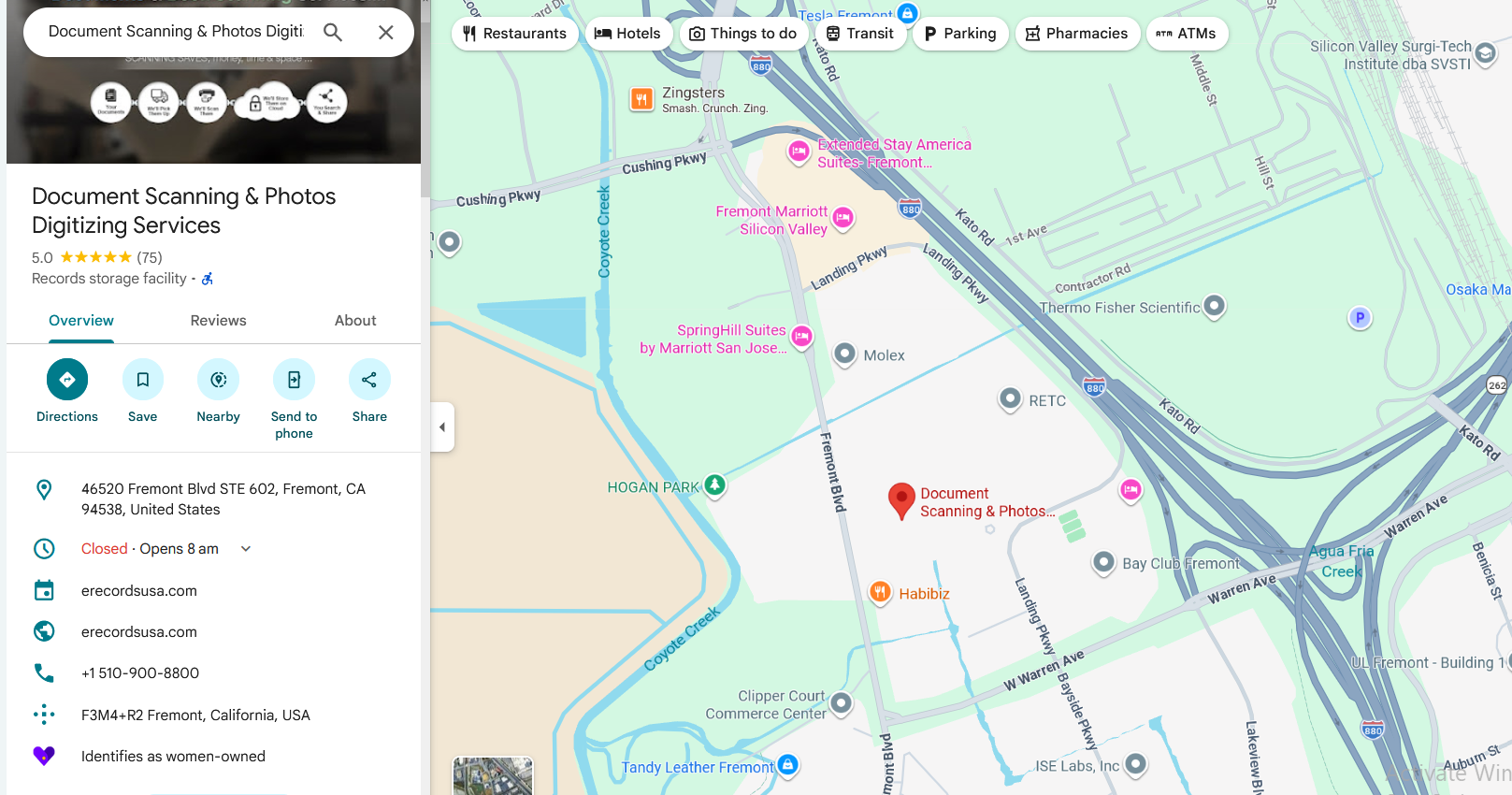
- Business Focus: Dedicated document scanning and digitization services
- Service Model: End-to-end execution performed by in-house teams
Key Characteristics:
- Intake, preparation, scanning, indexing, and QA handled internally
- Workflow engineered before production
- Documented chain of custody
- OCR and metadata standards enforced during scanning
Typical Use Cases:
- Government, healthcare, legal, financial, and enterprise backfile conversion projects.
2. Scanning America
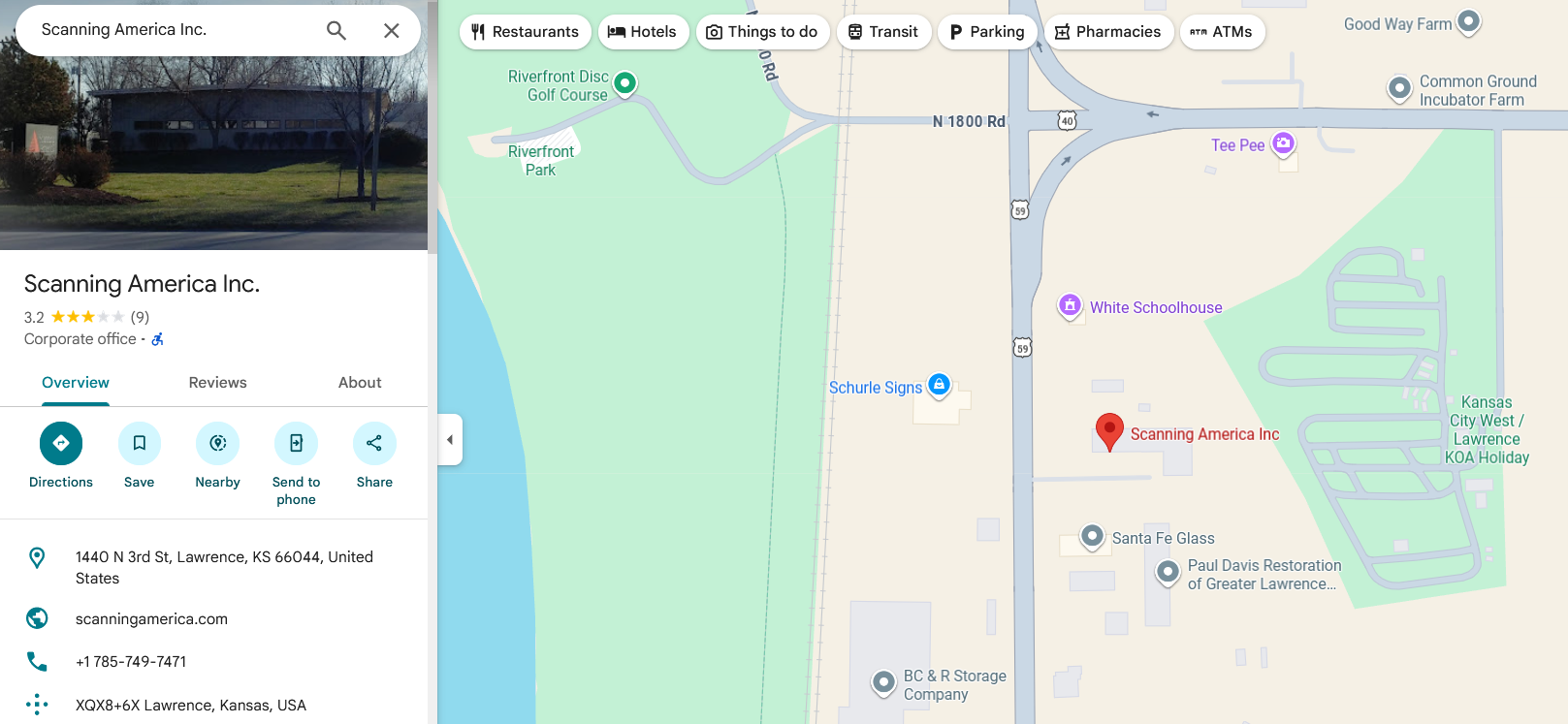
- Business Focus: Project-based document digitization
- Service Model: Professional scanning with structured output
Key Characteristics:
- High-volume backfile conversion
- OCR and metadata indexing
- Digital archive creation
Typical Use Cases:
- Organizations digitizing legacy paper archives.
3. BMI Imaging Systems
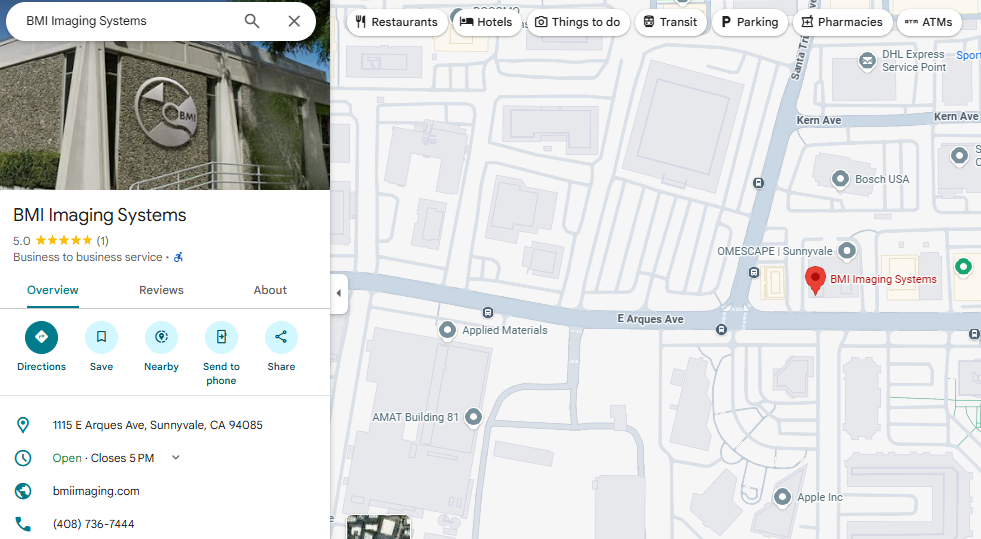
- Business Focus: Document management and digitization
- Service Model: Scanning integrated with workflow automation
Key Characteristics:
- Capture services linked to DMS platforms
- Emphasis on workflow integration
- Enterprise B2B focus
Typical Use Cases:
- Organizations implementing document management systems alongside scanning initiatives.
Category 2: Records Storage & Lifecycle Management Providers
(Scanning integrated within storage programs)
4. Iron Mountain
- Business Focus: Enterprise information management and storage
- Service Model: Digitization offered within lifecycle governance programs
Key Characteristics:
- Large-scale physical storage infrastructure
- Secure destruction services
- Compliance-driven programs
Typical Use Cases:
- Enterprises combining storage, retention, and digitization.
5. Vital Records Control (VRC)
- Business Focus: Records storage and compliance services
- Service Model: Scanning integrated into retention workflows
Key Characteristics:
- Storage-centered model
- Governance-focused services
- Digitization supporting compliance
Typical Use Cases:
- Organizations maintaining long-term retention archives.
6. GRM Document Management
- Business Focus: Information governance and lifecycle services
- Service Model: Digitization embedded within enterprise records programs
Key Characteristics:
- Physical storage infrastructure
- Compliance framework integration
- Regulated industry orientation
Typical Use Cases:
- Enterprises requiring integrated storage and scanning.
7. Recordsforce
- Business Focus: Records storage and lifecycle management
- Service Model: Digitization supporting managed retention programs
Typical Use Cases:
- Organizations with ongoing physical archive storage.
8. Revolution Data Systems
- Business Focus: Records management and compliance services
- Service Model: Lifecycle management with digitization options
Typical Use Cases:
- Compliance-driven environments managing long-term retention.
Category 3: Vendor Coordination & Matching Platforms
9. Record Nations
- Business Focus: Records services coordination
- Service Model: Connects clients with local scanning providers
Key Characteristics:
- Vendor-matching approach
- Centralized coordination
- Multi-location network coverage
Typical Use Cases:
- Organizations sourcing regional scanning vendors through a single coordination channel.
Category 4: Imaging Equipment & Capture Technology Providers
10. The Crowley Company
- Business Focus: Imaging and digitization equipment manufacturing
- Service Model: Supplies capture systems and scanning hardware
Key Characteristics:
- Microfilm and archival imaging equipment
- Technology enablement for in-house programs
Typical Use Cases:
- Libraries, archives, and institutions operating internal digitization workflows.
Category 5: Print & Managed Document Services
11. ARC Document Solutions
- Business Focus: Digital printing and reprographics
- Service Model: Scanning integrated into managed print programs
Typical Use Cases:
- AEC firms and enterprises combining print and digital workflows.
Category 6: Regional Storage + Digitization Providers
12. Smooth Solutions
- Business Focus: Records storage and information management
- Service Model: Scanning integrated within lifecycle services
Key Characteristics:
- Secure physical storage
- Information handling services
- Digitization supporting retrieval
Typical Use Cases:
- Organizations requiring selective or project-based digitization of stored records.
13. SecureScan
- Business Focus: Records storage and management
- Service Model: Digitization within storage programs
Typical Use Cases:
- Organizations maintaining compliance-based record archives.
Category 7: Retail Convenience Providers
14. The UPS Store
- Business Focus: Retail shipping and printing
- Service Model: Small-volume scanning in-store
Typical Use Cases:
- Individual or ad hoc scanning needs.
15. FedEx Office
- Business Focus: Logistics and retail print services
- Service Model: On-demand document scanning
Typical Use Cases:
- One-off scanning and convenience-based needs.
Why Structural Classification Matters?
These providers operate under different execution frameworks:
- Direct scanning specialists
- Storage-first lifecycle providers
- Vendor-matching platforms
- Equipment manufacturers
- Retail convenience outlets
The “best document scanning service in the USA” depends on:
- Execution ownership
- Compliance exposure
- Volume scale
- Integration requirements
- Custody expectations
Comparing providers by structure — rather than brand recognition — enables more informed evaluation.
Why Organizations Across the USA Choose eRecordsUSA?
When organizations evaluate document scanning providers, the deciding factor is often operational clarity.
eRecordsUSA is selected when execution ownership, structured workflow design, and documented accountability are required from intake through final delivery.
Unlike coordination-based or storage-first models, scanning projects are executed directly by dedicated in-house teams. The organization defining the scope is the same organization performing preparation, scanning, indexing, quality review, and delivery.
This alignment reduces ambiguity during production.
1. Direct Execution Without Intermediaries
All document handling remains under a single operational structure. There are no broker handoffs or subcontracted production stages.
For organizations managing regulated or large-scale archives, eliminating additional custody transfers reduces risk exposure and communication delays.
2. Workflow Engineered Before Production Begins
Every project begins with defined:
- Preparation standards
- Indexing depth
- OCR validation requirements
- File structure and naming conventions
- Acceptance criteria
Production starts only after workflow parameters are documented. This reduces mid-project change orders and unexpected cost adjustments.
3. Documented Custody & Audit-Ready Handling
Records remain within controlled processing environments from intake to delivery.
Handling stages are documented, access is restricted, and quality controls are embedded during scanning—not after completion.
This structured approach supports organizations facing:
- Regulatory oversight
- Audit exposure
- Long-term retention mandates
4. Experience Across Regulated & Complex Archives
Over two decades of operational experience support projects involving:
- Government and public-sector records
- Healthcare documentation
- Legal and evidentiary archives
- Financial and enterprise backfiles
- Fragile and historical collections
Execution consistency across these environments informs process design and risk management.
5. Single Point of Project Accountability
Each engagement is overseen by a designated project lead responsible for:
- Scope alignment
- Timeline tracking
- Exception resolution
- Final acceptance validation
Centralized ownership minimizes confusion and accelerates decision-making during production.
The Outcome
Organizations choose eRecordsUSA not for marketing claims, but for structural execution control.
When custody continuity, workflow clarity, and production accountability matter, operational design becomes the deciding factor.
Conclusion: Choosing the Right Document Scanning Partner
Selecting the best document scanning services in the USA is not about brand size, location, or advertised pricing.
It is about structural fit.
Organizations should evaluate:
- Who controls execution
- How custody is documented
- Whether quality standards are enforced during production
- If workflows are engineered before scanning begins
- And who remains accountable from intake through delivery
Different providers operate under different models — direct execution, storage-first lifecycle programs, coordination platforms, equipment suppliers, or retail convenience services.
Understanding those structural differences enables informed comparison.
When records are regulated, high-volume, or mission-critical, operational clarity becomes more important than proximity or headline pricing.
If you are evaluating document scanning services and need clarity before transferring custody of records, speaking directly with the team that would execute the project can help define scope, workflow expectations, and accountability standards upfront.
📞 510.900.8800
📩 he***@*********sa.com
There is no obligation — only a structured discussion designed to align execution with your organization’s requirements.