What drives organizations to adopt book scanning methods like destructive, non-destructive, and professional techniques for converting physical volumes into digital assets?
In an era where the global book scanner market is projected to grow from USD 1.5 billion in 2024 to USD 3.2 billion by 2033 at a CAGR of 8.6%, driven by library digitization and archival needs, these methods address key relational entities such as page curvature correction, OCR accuracy, binding preservation, raster-to-vector conversion, and high-resolution TIFF outputs. (Source)
Destructive scanning prioritizes bulk throughput by removing spines for sheet-fed processing, while non-destructive approaches use V-shaped cradles and overhead systems to safeguard rare books’ structural integrity alongside semantic elements like metadata indexing and searchable PDFs.
For erecordsUSA, book scanning methods integrate these techniques to handle high-volume collections, ensuring compliance with 300–600 DPI standards for text and illustrated works.
This foundational choice between speed and preservation leads directly to understanding the equipment that powers each approach.
What is Book Scanning?
Book scanning converts bound volumes into digital formats through image-based capture or vector recreation. Image-based methods photograph or scan pages as raster images, while vector approaches reconstruct text and graphics mathematically.
Common outputs include:
- PDF for universal access,
- TIFF for lossless archiving, and
- searchable PDFs via OCR integration.
Projects balance preservation of originals against improved access for research or distribution.
With these core concepts established, the next decision centers on whether to prioritize speed through destructive methods or preservation via non-destructive techniques.
The Primary Decision: Destructive vs Non-Destructive Book Scanning
The core choice in book scanning hinges on destructive versus non-destructive approaches, each suited to specific priorities like speed, volume, and preservation.
A. Destructive Book Scanning
This method involves removing the spine to separate pages into loose sheets for high-speed, sheet-fed scanners. It excels for bulk, non-archival volumes where originals lack long-term value. The tradeoff favors speed over preservation—throughput reaches thousands of pages per hour—making it ideal for mass digitization of common texts.
B. Non-Destructive Book Scanning
Binding remains intact, using V-shaped cradles that open books to 90°–120° angles. Overhead capture systems photograph pages, with software correcting page curvature and shadows. This suits rare, fragile, or archival books, prioritizing structural preservation over raw speed.
| Factor | Destructive | Non-Destructive |
|---|---|---|
| Binding Preserved | No | Yes |
| Speed | High | Moderate |
| Archival Suitability | Low | High |
| Use Case | Bulk digitization | Rare/fragile collections |
Beyond this fundamental tradeoff, various equipment types execute these approaches with distinct capabilities and limitations.
Equipment-Based Book Scanning Methods
Book scanning equipment falls into key categories, each with defined use cases, limitations, and preservation impacts.
A. Flatbed Scanning
Flatbed scanners press books against a glass platen, ideal for small, flexible volumes like paperbacks. Limitations include gutter distortion from spine pressure and manual page turning, which slows throughput. It handles limited spine thickness and risks minor binding stress.
B. Overhead / Planetary Scanning
Cameras capture from above using cradles that minimize binding strain, common in institutional digitization like OCLC’s WorldCat, which grew by 52 million records in 2024.
Dual-camera systems scan facing pages simultaneously. Ideal for mid-sized collections; limitations involve moderate speed and curvature correction needs, with low preservation impact.
C. Drum Scanning
Rotating drums produce ultra-high resolution for illustration-heavy volumes like art books. Best for graphic reproduction, but less practical for full-bound books due to disassembly requirements. Limitations: high cost and time; preservation impact is neutral for separated pages.
D. Handheld Scanning
Portable wands or apps enable field use for low-volume capture, such as on-site ledgers. Limitations: inconsistent resolution and alignment control. Preservation impact stays minimal, though handling risks of fragility.
E. Photographic Capture
DSLR or mirrorless cameras with controlled lighting suit glossy or delicate materials. Ideal for high-fidelity color work; requires post-processing for stitching and correction. Limitations: setup time; low binding stress preserves structure.
F. 3D Book Scanning (Specialized Preservation Use)
Structured light or laser scanners capture page surfaces and book geometry for museum conservation. Ideal for 3D modeling of artifacts; limitations: high complexity and cost, unsuitable for standard text digitization. Preservation impact is highly positive, avoiding any flattening.
Selecting the right equipment ultimately depends on achieving consistent image quality across diverse book conditions.
Image Quality & Resolution Standards in Book Scanning
Standards ensure readability and fidelity. Text-based books use 300 DPI at 200–400 ppi for sharp OCR, while illustrated works demand 400–600 DPI per archival guidelines like FADGI. Color depth ranges from grayscale for mono texts to 24-bit for color plates. TIFF serves as the archival master for its lossless compression, while PDF enables access copies. OCR accuracy drops with curved pages, improving from ~20% to 82% post-correction in tests.
Even with optimal equipment and resolution standards, digitization projects encounter persistent technical challenges that demand strategic solutions.
Common Challenges in Book Digitization
Digitization faces repeatable hurdles, exacerbated in tightly bound volumes:
- Tight gutter margins obscure inner text, distorting OCR.
- Page curvature distorts focus, reducing readability by up to 60% pre-correction.
- Brittle paper cracks under handling.
- Fragile bindings limit opening angles.
- Large folios exceed standard equipment beds.
- Annotations fade or smudge in capture.
- Page transparency causes bleed-through from reverse sides.
Navigating these challenges requires matching specific book scanning methods to the unique characteristics of each collection.
Choosing the Right Book Scanning Method Based on Book Type
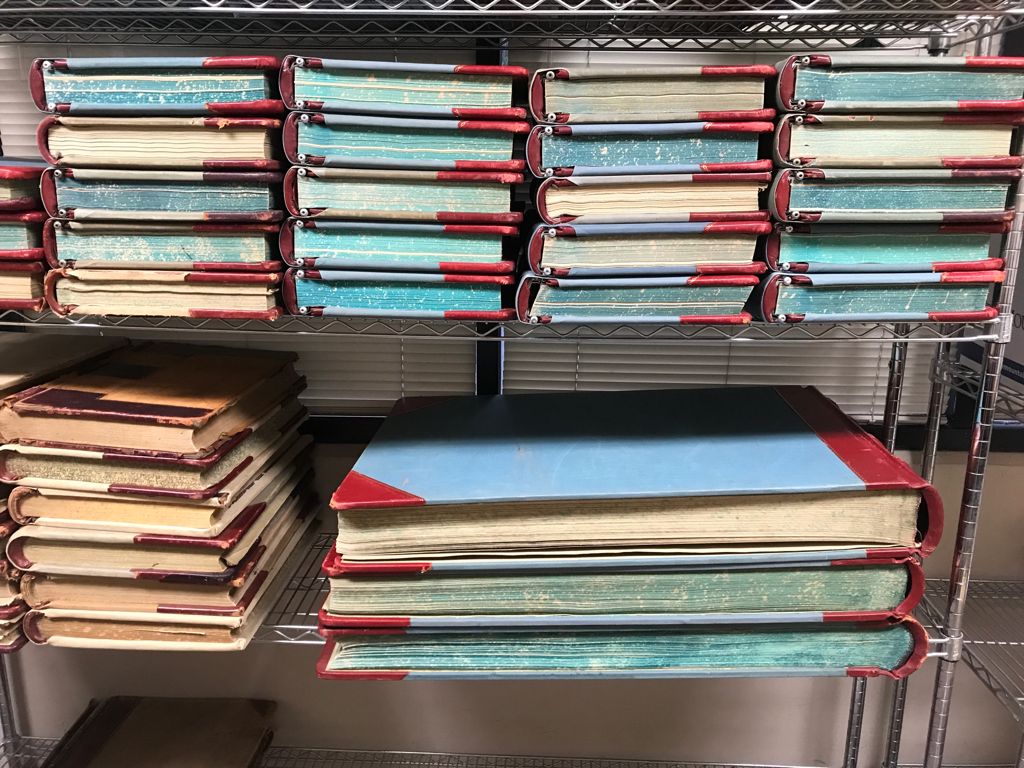
Match methods to book characteristics for optimal results.
| Book Type | Recommended Method |
|---|---|
| Rare archival book | Non-destructive cradle scanning |
| Mass-market paperback | Destructive sheet-fed scanning |
| Illustrated art book | Overhead or drum scanning |
| Field-bound ledger | Overhead or photographic capture |
While method selection provides the technical foundation, certain projects exceed the scope of standard approaches and benefit from professional workflows.
When Professional Book Scanning is Recommended?
Professional digitization applies when projects exceed DIY thresholds, especially amid 67% of libraries adopting AI-enhanced scanning in 2025 (Source):
- Large volumes demand scalable throughput.
- Archival preservation requires specialized cradles.
- Metadata indexing supports searchability.
- OCR accuracy must hit research-grade levels.
- Quality control ensures consistency at scale.
Ultimately, these considerations converge on selecting the optimal approach for each specific preservation goal and collection profile.
All-in-all, book scanning methods vary by preservation goal, volume, and technical requirements. The correct approach depends on the
- Binding Condition,
- Resolution Needs, and
- Archival Objectives.
Organizations managing rare, fragile, or high-volume collections often evaluate specialized book digitization workflows to ensure preservation and consistent output quality.
Ready to match the optimal book scanning method to your collection? Call us at 1.510.900.8800, or write us at he***@************************sa.com for a free digitization assessment to identify destructive, non-destructive, or professional techniques best suited to your preservation priorities and throughput goals.