

Real Estate and Mortgage Scanning
Over 100 Five-star Reviews • 20+ Years of Experience • Serving the San Francisco Bay Area, California
eRecordsUSA delivers enterprise-grade mortgage document scanning services for banks, mortgage lenders, title companies, underwriters, and public agencies across the San Francisco Bay Area and Greater Bay Area. We convert paper-based loan files, closing packages, and mortgage records into secure, searchable, and audit-ready digital assets.
Our workflows combine high-resolution scanning, OCR conversion, structured indexing, and strict chain-of-custody controls, ensuring accuracy and traceability throughout the mortgage lifecycle. All documents are processed in-house at our Fremont, California facility, never outsourced.
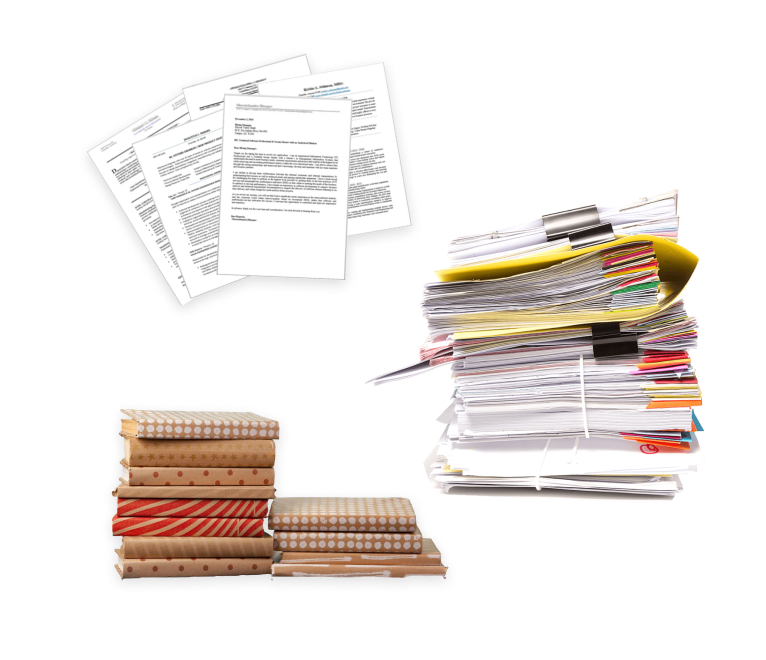
With over 20 years of experience, eRecordsUSA supports bulk backfile conversions, ongoing trailing document intake, and regulator-ready mortgage document management. When paper slows underwriting and increases compliance exposure, secure digitization removes the bottleneck.
Request a free consultation to digitize your mortgage records with confidence.










Scanning Mortgage Files
Mortgage document scanning reduces the operational risk, delays, and compliance challenges associated with paper-based loan files. By converting physical mortgage records into structured, searchable digital assets, lenders and servicing organizations gain faster access, stronger control, and consistent document governance across the entire loan lifecycle—from origination to servicing and audit.


Organizations Trust eRecordsUSA for Loan File Digitization
1. Faster Access to Mortgage Records
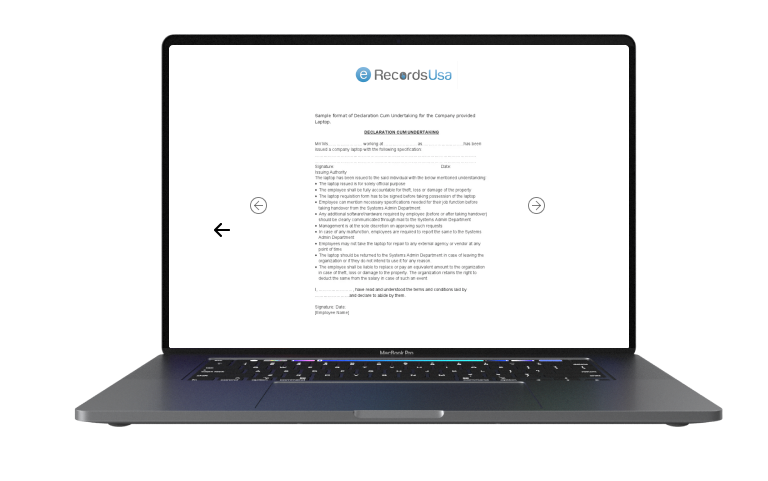
Digitized mortgage documents are OCR-enabled and indexed, allowing authorized teams to retrieve loan files, closing packages, and servicing records instantly. This speeds underwriting, audits, servicing transfers, and investor reviews without increasing administrative workload at scale.
2. Secure & Scalable Document Management
Digitization enables controlled access, standardized file structures, and secure handling of sensitive mortgage data. Organizations can scale backfile conversions and ongoing document intake efficiently, without expanding physical storage or weakening existing security controls.
3. Improved Compliance & Audit Readiness
Structured digital mortgage files support retention requirements, traceability, and accountability. Searchable records, consistent indexing, and documented chain-of-custody procedures simplify regulatory audits and reduce the risk of missing or misclassified documents.
4. Reduced Storage & Handling Costs
Bulk mortgage scanning removes reliance on file rooms, off-site storage, and repeated manual handling. This lowers long-term storage expenses while minimizing document loss, deterioration, and misfiling common in large paper-based mortgage archives.
Loan File Scanning Services in SF Bay Area
How Does Mortgage Loan Scanning Work?
Mortgage loan scanning follows a controlled, multi-stage workflow designed to convert physical loan files into structured digital records without disrupting lending operations. Each stage focuses on accuracy, traceability, and security—ensuring mortgage documents remain complete, compliant, and usable throughout origination, underwriting, servicing, and audit processes.
1. Secure Document Intake and Preparation

2. High-Resolution Scanning and Imaging

3. OCR Processing and Data Recognition

4. Structured Indexing and File Organization
5. Quality Control and Secure Delivery
Scanning Mortgage Title Documents
Which Industries Use Mortgage Loan Scanning Services?
Mortgage loan scanning is used across industries where large volumes of regulated loan documents must be processed, stored, and retrieved with accuracy. Organizations involved in lending, property transactions, servicing, and public oversight rely on digitized mortgage records to improve efficiency, maintain compliance, and support long-term document governance across complex workflows.

Industries We Serve
- Banks and Financial Institutions – Banks rely on mortgage document scanning to manage high-volume loan files, support underwriting accuracy, and meet regulatory requirements while improving internal access and reducing processing delays.
- Mortgage Lenders and Brokers – Mortgage lenders use scanning services to streamline origination, underwriting, and closing workflows. Digitized loan files enable faster reviews, smoother team handoffs, and improved accuracy for investor submissions.
- Title Companies and Settlement Firms – Title and settlement firms digitize mortgage and closing documents to maintain accurate transaction records. Indexed digital files support faster searches, reduce processing errors, and simplify post-closing audits.
- Loan Servicing Companies – Loan servicers depend on digitized mortgage records to manage servicing transfers, borrower documentation, and payment histories while supporting compliance checks and reducing operational friction during portfolio transitions.
- Government and Public Agencies – Government agencies digitize mortgage and housing records to improve accessibility, preserve historical files, and meet retention mandates while reducing physical storage and document handling risks.
Banking/Financial Document Scanning
What Mortgage Document Types Are Commonly Scanned?
Mortgage loan scanning covers a wide range of borrower, property, and closing documents required throughout origination, underwriting, servicing, and audit workflows. Digitizing these records ensures consistency, accessibility, and compliance across the loan lifecycle.


Mortgage Indexing & Data Extraction Services
How Are Mortgage Documents Secured and Controlled?
Mortgage document security depends on strict handling controls, traceability, and access management throughout the scanning process. From initial intake to final delivery, each document is monitored, protected, and processed using documented procedures designed to meet financial and regulatory expectations.
1. Controlled Document Intake
- Post-closing mortgage documents logged through controlled, in-house intake workflows
- Trailing records matched using borrower, property, and loan identifiers
- Missing or incomplete identifiers flagged without disrupting loan file integrity
- Complete digital loan files assembled for servicing and investor review


2. OCR and Indexing
- OCR conversion enables full-text search across mortgage and closing documents
- Mortgage-specific indexing supports underwriting, servicing, and audit workflows
- Standardized file structures ensure consistent retrieval across teams and locations
- Metadata discipline reduces misfiles and downstream rework during reviews
3. Secure Processing Controls
- All mortgage documents processed in-house by eRecordsUSA personnel
- Controlled access restricts handling to authorized scanning and indexing staff
- Physical and digital safeguards protect sensitive borrower and loan information
- Document movement tracked to prevent loss or unauthorized access


4. Compliance-Ready Delivery
- Searchable mortgage files delivered ready for operational and compliance use
- Consistent naming conventions support sorting, reconciliation, and portfolio control
- Metadata-ready outputs enable servicing transfers and investor due diligence
- Deliverables prepared for long-term retention and regulatory examinations

Mortgage Loan Scanning FAQS
1. What is mortgage loan scanning used for?
Mortgage loan scanning converts paper loan files into searchable digital records. It supports underwriting, servicing, audits, compliance reviews, and long-term retention by improving document access, accuracy, and control.
2. How does mortgage document scanning improve compliance?
Scanning improves compliance by applying structured indexing, standardized file naming, and documented chain-of-custody handling. This ensures traceability, simplifies audits, and reduces risks from missing or misfiled mortgage documents.
3. Can scanned mortgage files be used for audits and servicing transfers?
Yes. Properly scanned mortgage files are audit-ready and suitable for servicing transfers, investor reviews, and regulatory examinations. Searchable records and metadata support fast verification and reconciliation.
4. How are mortgage documents kept secure during scanning?
Mortgage documents are secured through controlled intake, restricted access, and in-house processing by eRecordsUSA. Files are tracked throughout scanning and indexing to prevent loss or unauthorized access.
5. Who typically uses mortgage loan scanning services?
Banks, mortgage lenders, title companies, loan servicers, and public agencies use mortgage loan scanning to manage high-volume loan files, meet compliance requirements, and streamline document-heavy workflows.
Digitize Negatives With Our Renowned Scanning Team
Mortgage Document Scanning Services in San Francisco, Bay Area
Organizations across San Francisco, Oakland, and San Jose rely on secure mortgage document scanning to manage high volumes of regulated loan records. From urban lending offices to regional servicing operations, Bay Area institutions face strict compliance, audit, and retention requirements that demand precise document handling.
eRecordsUSA supports banks, mortgage lenders, title companies, loan servicers, and public-sector organizations operating throughout the Greater Bay Area. Our local production facility allows us to handle backfile conversions, ongoing trailing document intake, and audit-ready digitization without relying on third-party vendors or out-of-state processing.
Serving clients across San Francisco County, Alameda County, and Santa Clara County, our proximity enables faster coordination, controlled chain-of-custody workflows, and document handling practices aligned with California’s regulatory and data protection expectations.
Top Scanning & Conversion Services
⭐ What Our Clients Are Saying: Why They Stay With Us
Rated 5 Starts For Our Document and Book Scanning Services
Clients choose to continue working with eRecordsUSA because our mortgage document scanning delivers consistent, audit-ready results. In-house processing, structured indexing, and documented chain-of-custody controls reduce risk and eliminate rework.
Teams rely on us for both large backfile conversions and ongoing trailing document intake, knowing their mortgage records will remain secure, searchable, and ready for operational use. Reliability—not one-time delivery—is what keeps clients with us long term.








Want to See How We Compare? Let us quote your next digitization project and show you why we’re trusted by leading institutions nationwide.